
Precision Industrial Couplings
HangZhou Ever Power Transmission Co. Ltd engineers and manufactures the full spectrum of shaft couplings — from jaw and gear couplings to fluid and spacer types — purpose-built to eliminate misalignment, dampen vibration, and protect your equipment investment.
The Linear Force Engine Behind Heavy Machinery
A hydraulic cylinder — also called a hydraulic linear actuator — is a mechanical device that converts hydraulic fluid pressure into controlled linear force and motion. By applying Pascal's Law (pressure exerted on a confined fluid is transmitted equally in all directions), a compact cylinder can generate tens to thousands of kilonewtons of push or pull force.
Inside every hydraulic cylinder, a precisely honed barrel houses a sealed piston attached to a hardened chrome-plated rod. When pressurized hydraulic oil is supplied to one side of the piston, the pressure differential across the piston face generates mechanical force that extends or retracts the rod — lifting loads, tilting decks, steering machines, or actuating valves with millimeter-level positioning accuracy.
Hydraulic cylinders are the most power-dense linear actuators available: a 100mm bore cylinder at 250 bar generates nearly 200 kN (20 metric tons) of force — far beyond what any comparably sized electric or pneumatic actuator can deliver. This is why hydraulic cylinders are the dominant actuation technology in construction, mining, agriculture, marine, and industrial machinery worldwide.
Complete Hydraulic Cylinder Range
Eleven specialized hydraulic cylinder families covering every industry sector — from forklift mast cylinders to deep-sea offshore actuators
and mega TBM thrust cylinders. Click any category for full specifications.
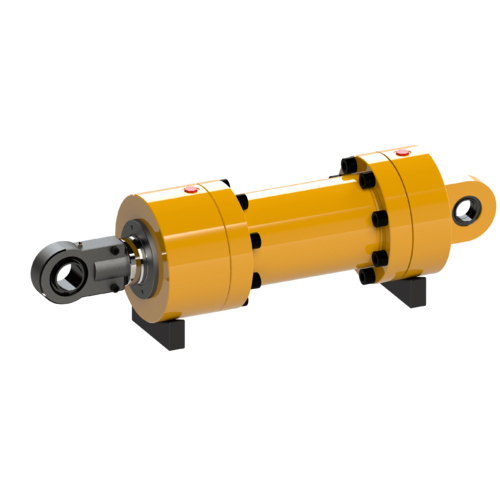
Construction Machinery
- Crane Counterweight Cylinder
- Crane Luffing Cylinder
- Crane Spring Cylinder
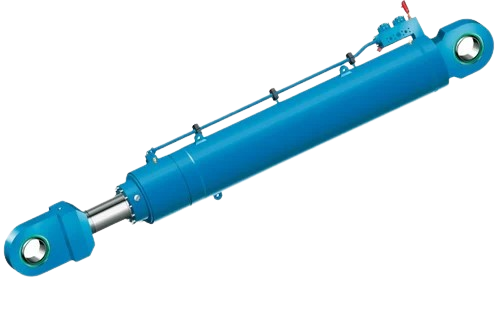
Mobile Machinery
- Small Excavator Cylinder
- Mobile Crane Cylinder
- Rotary Drilling Cylinder
Tunnel Boring Machine
- Shield Machine Cylinder
- Open Tunnel Boring Machine Cylinder
Aerial Work Vehicles
- Boom Upper Arm Cylinder
- Boom Lower Arm Cylinder
- Scissor Fork Lifting Cylinder
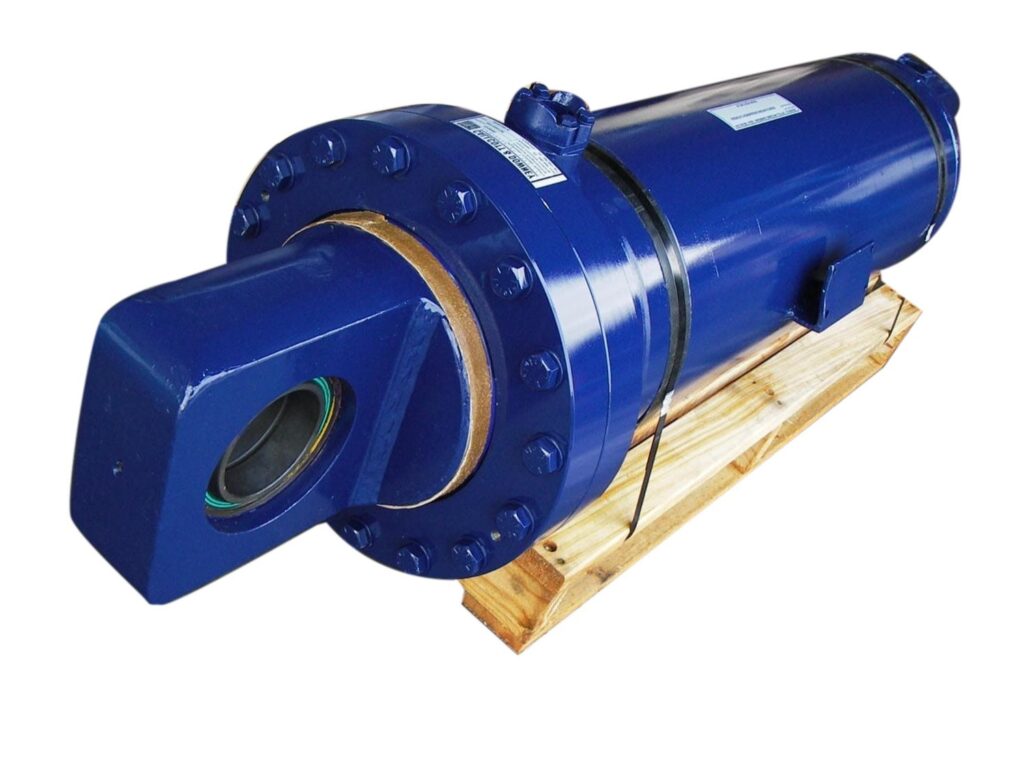
Industrial Engineering
- Hydraulic Cylinder for Press
- Cement Equipment Cylinder
- Injection Molding Cylinder
Offshore Cylinders
- Dredger Tank Cylinder
- Offshore Crane Cylinder
Energy Technology
- Desalination Equipment Cylinder
- Oil/Gas Drilling Platform Cylinder
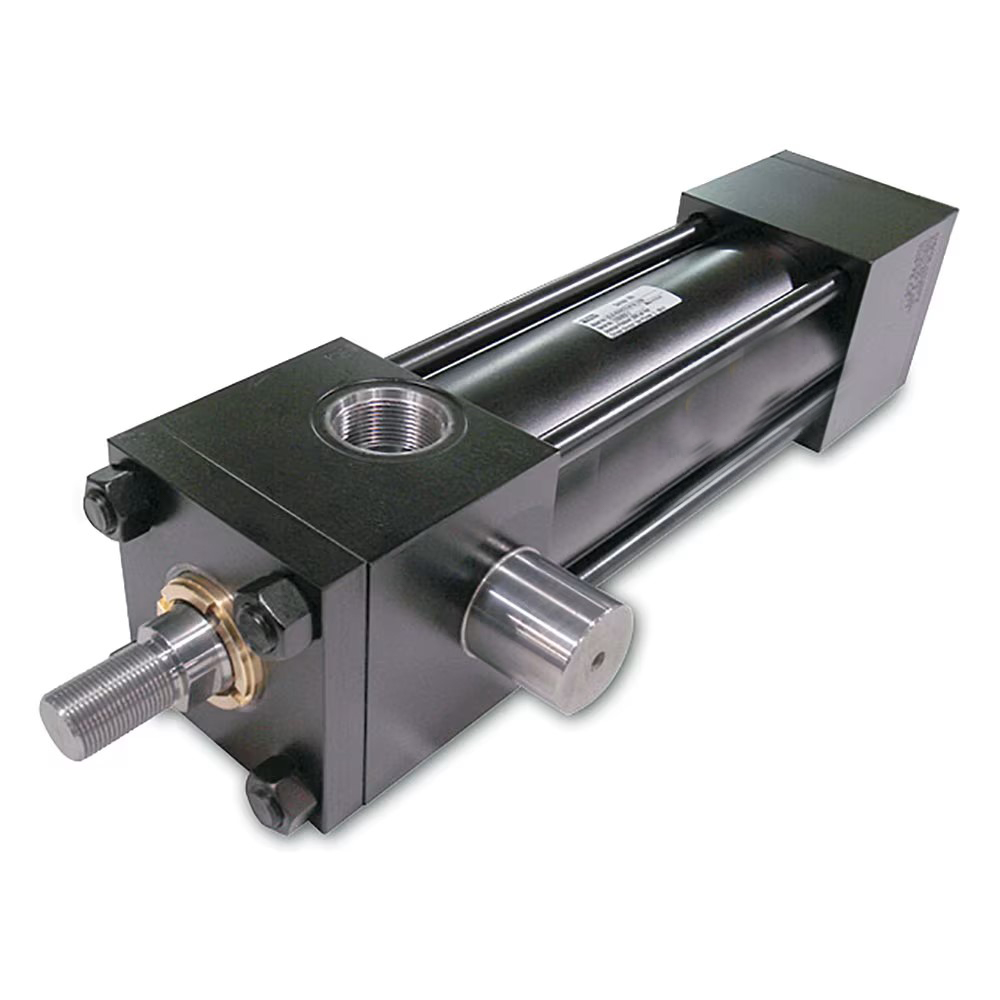
American Series
- Welded Tee Type Cylinder
- Snow Plow Hydraulic Cylinder
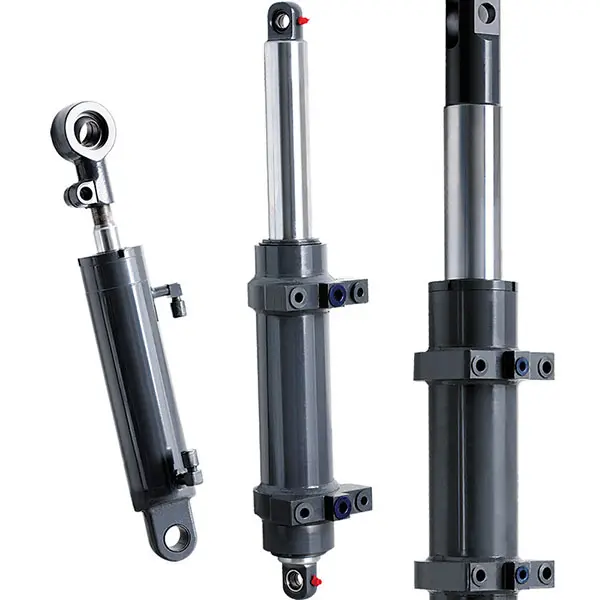
Forklift Hydraulic Cylinders
- Tilt Hydraulic Cylinder
- Lifting Hydraulic Cylinder
- Steering Hydraulic Cylinder
- Distance Adjustment Cylinder
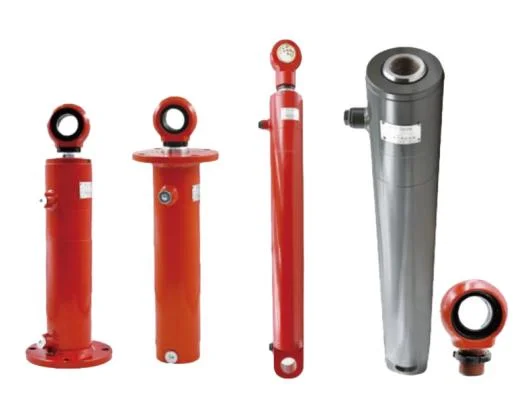
Ауыл шаруашылығы техникасы
- Standard Agricultural Cylinders
- Lift Hydraulic Cylinder for Carts
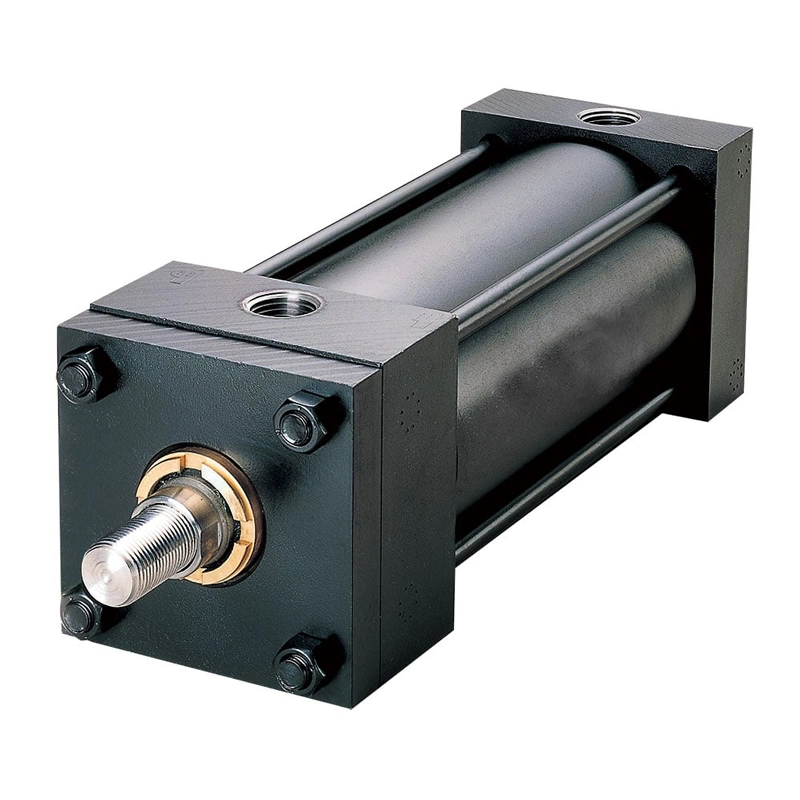
Sanitation Machinery
- Locking Hydraulic Cylinder
- Reverse Thrust Cylinder
- Forward Thrust Cylinder
Industries We Power Every Day
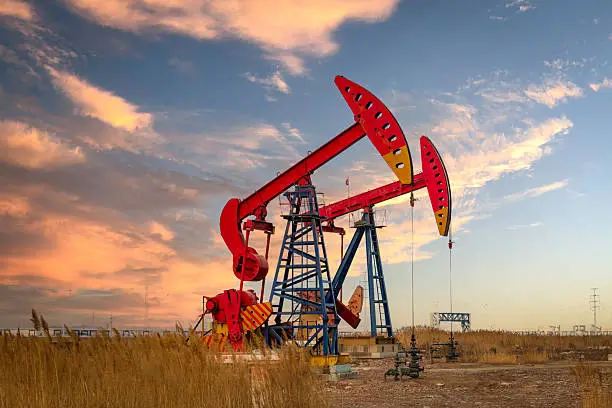
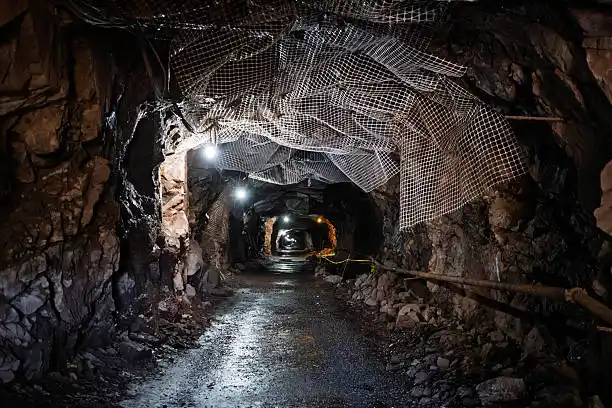
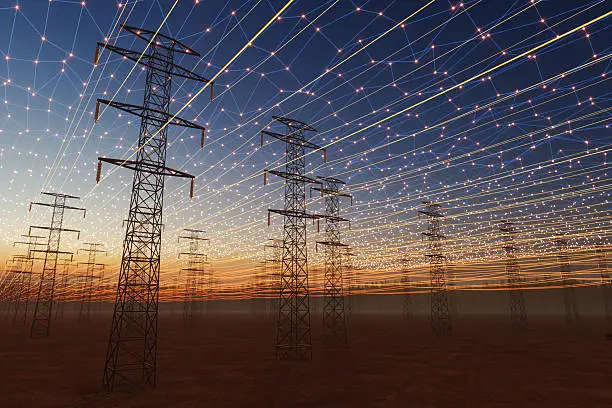
Our hydraulic cylinders operate on every continent, in the world’s most demanding environments — from Arctic tundra oil fields to deep underground metro tunnels.



How a Hydraulic Cylinder Works — Step by Step
Hydraulic cylinders operate on three fundamental laws of physics: Pascal’s Law (pressure is transmitted equally), Bernoulli’s principle (fluid flow and pressure), and Newton’s second law (F = P × A). Here is the complete operating cycle:
Pump Pressurizes Fluid
A hydraulic pump draws fluid from the reservoir and pressurizes it to the system working pressure (typically 100–500 bar). The pump converts mechanical rotary energy into hydraulic potential energy stored in pressurized fluid.
Control Valve Directs Flow
A directional control valve (DCV) routes pressurized oil to either Port A (extend) or Port B (retract) of the cylinder. Proportional valves control flow rate to regulate extension speed with precision. Return oil flows back to the reservoir.
Pressure Acts on Piston (F = P × A)
Oil pressure acts on the piston face area. Per Pascal's Law: Force (N) = Pressure (Pa) × Area (m²). A 125mm bore cylinder at 250 bar generates approximately 307 kN (31 tonnes) — demonstrating why hydraulics remains the highest power density linear actuator technology.
Rod Extends, Work Is Done
The piston and attached rod translate the hydraulic force into controlled linear displacement — lifting, pushing, tilting, or clamping the load. Return stroke reverses fluid flow: rod retracts, displacing oil back through the control valve to the reservoir, completing the cycle.
Жиі қойылатын сұрақтар
Answers to the questions B2B buyers most often ask before placing their first order.
How does a hydraulic cylinder work?
Pressurized hydraulic oil enters the cylinder port and acts on the piston face. Force is generated by F = Pressure × Piston Area (Pascal’s Law). This moves the rod linearly — pushing, pulling, lifting, or clamping the load with controllable force and position.
What is the difference between single-acting and double-acting?
Single-acting cylinders apply hydraulic power in one direction only; return relies on gravity, spring, or load weight. Double-acting cylinders apply hydraulic pressure in both extend and retract directions — providing powered, controllable bidirectional motion and full force in both strokes.
Can you manufacture custom hydraulic cylinders?
Yes — full OEM/ODM including custom bore, stroke, rod diameter, mounting style, port size and position, surface treatment, and seal material. Submit a drawing, sample, or datasheet for a quotation within 24 hours. Free buckling analysis included for long-stroke applications.
What causes hydraulic cylinder leakage?
Leakage is caused by worn seals, rod surface damage (scoring or pitting), bore corrosion, or incorrect seal material. Prevention includes correct seal compound selection, maintaining rod surface hardness (HRC 50–60) with sufficient chrome plating, and keeping fluid contamination below ISO 4406 target cleanliness levels.
What pressure ratings are available?
Standard cylinders are rated to 250 bar (3,625 PSI). High-pressure designs for offshore, TBM, and heavy industrial use are available up to 500 bar (7,250 PSI). Custom pressure ratings with appropriate wall thickness and seal specification are available upon request.
What quality testing is done before shipment?
Every cylinder is hydraulically pressure-tested at 1.5× working pressure. Dimensional inspection, seal integrity verification, and surface hardness checks are performed. Material test certificates, pressure test records, and hardness reports ship with every order. Third-party SGS or BV inspection available.