
Industrial Sprockets
ANSI, European BS, and Japanese JIS standard sprockets — finished bore, taper lock, QD, stainless steel, plastic, conveyor, double pitch, and custom configurations. 1,000+ models in stock. Factory-direct B2B pricing.
चयन मार्गदर्शिका
Sprocket Types & Materials
Our product categories covering every bore configuration, material grade, drive geometry, and application requirement. Click any category for full specifications and pricing.
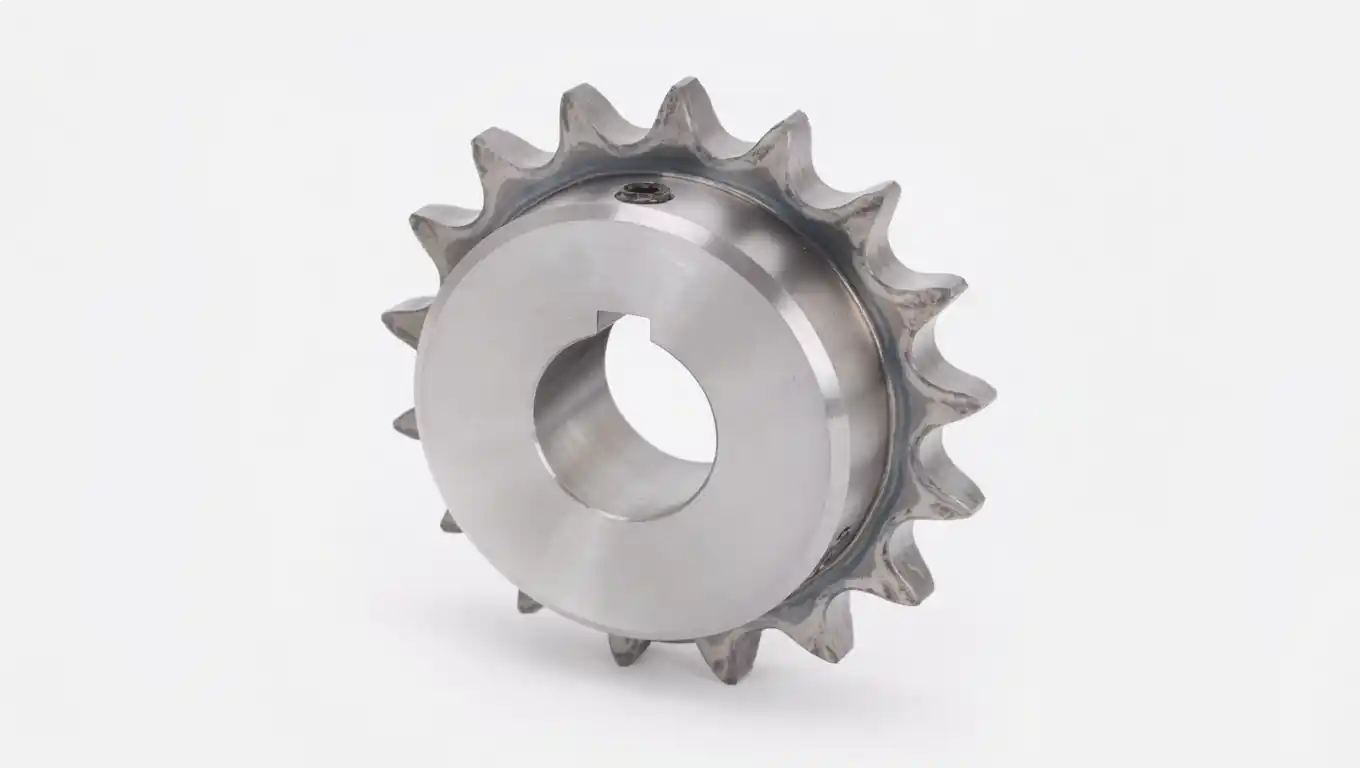
Finished Bore Sprockets
High-precision finished bore sprockets ready for immediate installation. Features precision-machined keyways and setscrews for reliable shaft attachment.
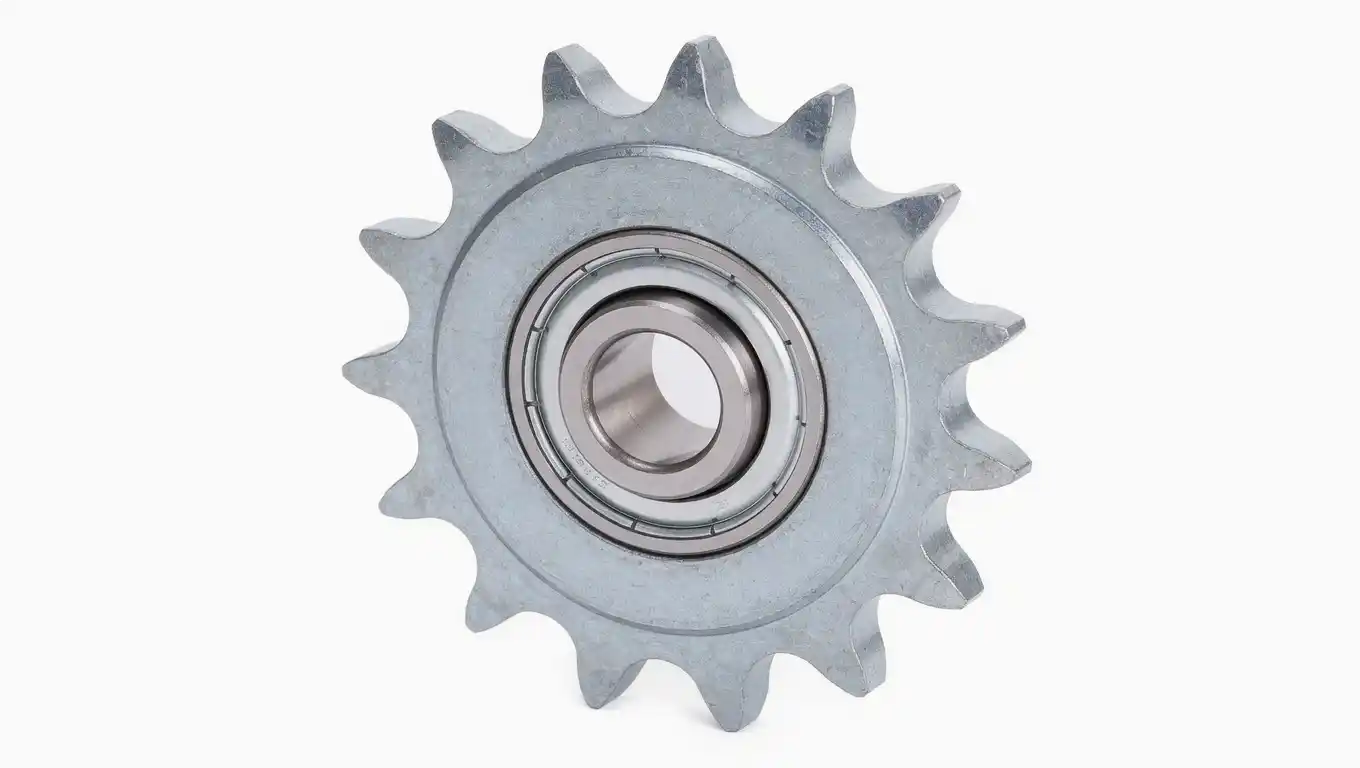
आइडलर स्प्रोकेट
Equipped with premium bearings to maintain proper chain tension, prevent chain whip, and ensure smooth power transmission in long-center drives.
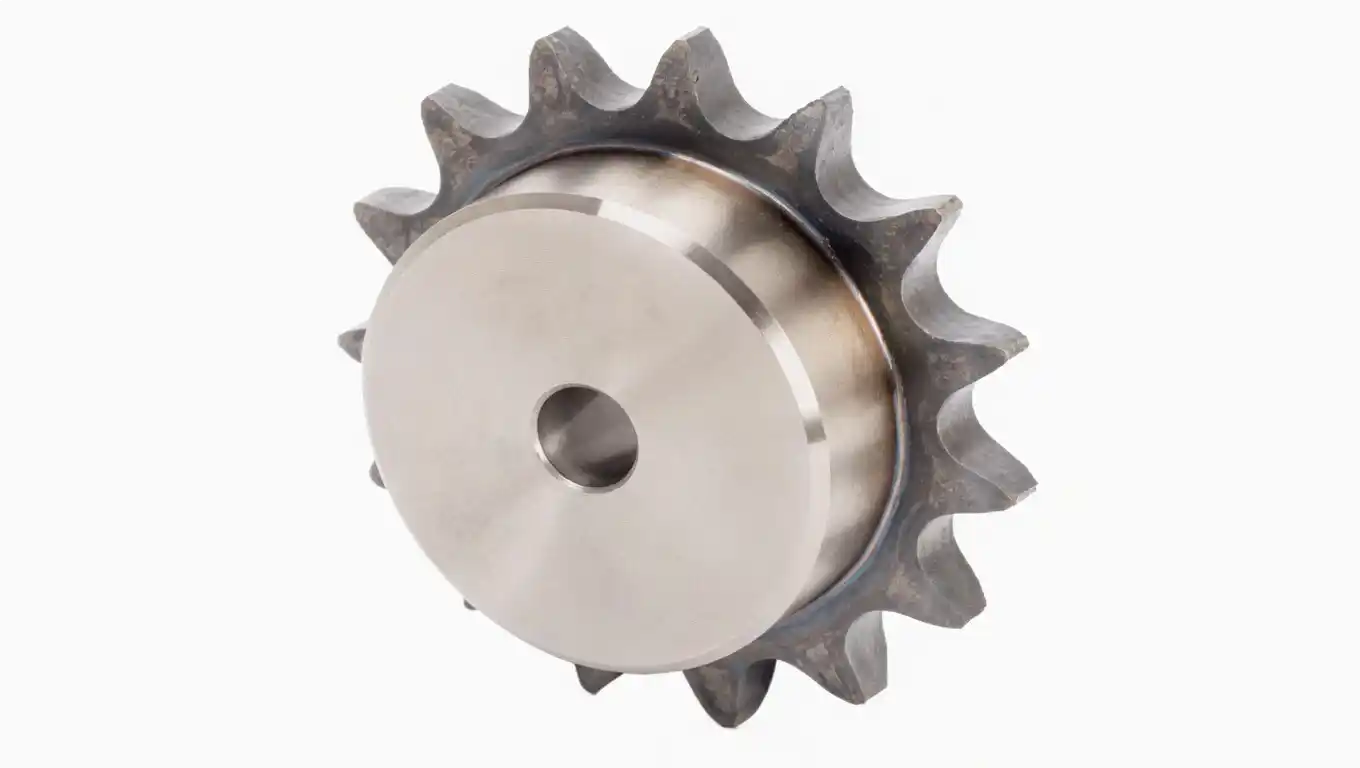
Standard Bore Sprockets
Stock minimum bore sprockets offering the flexibility to re-bore and customize according to specific industrial machinery shaft requirements.
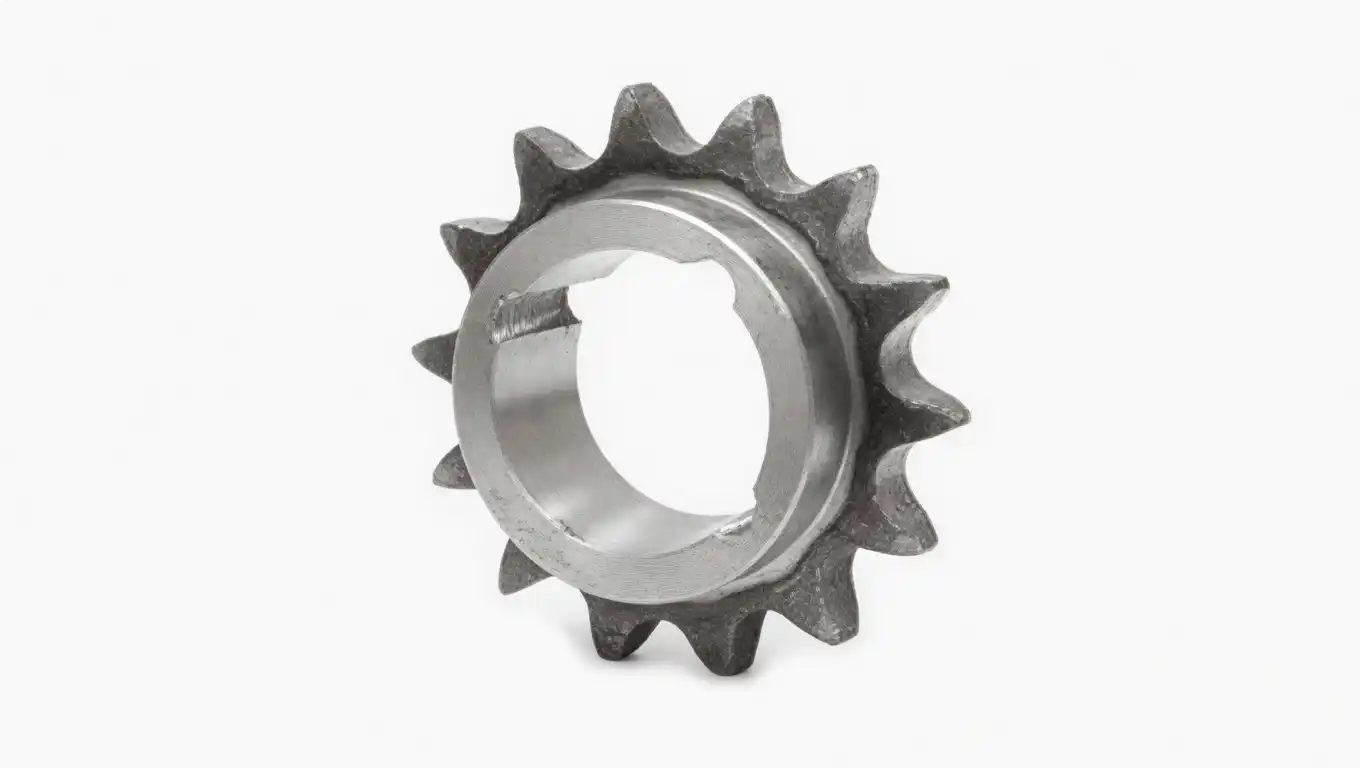
Bushed / Taper Lock Sprockets
Designed for use with split taper bushings to provide a secure, concentric grip on shafts, allowing for easy installation and removal.
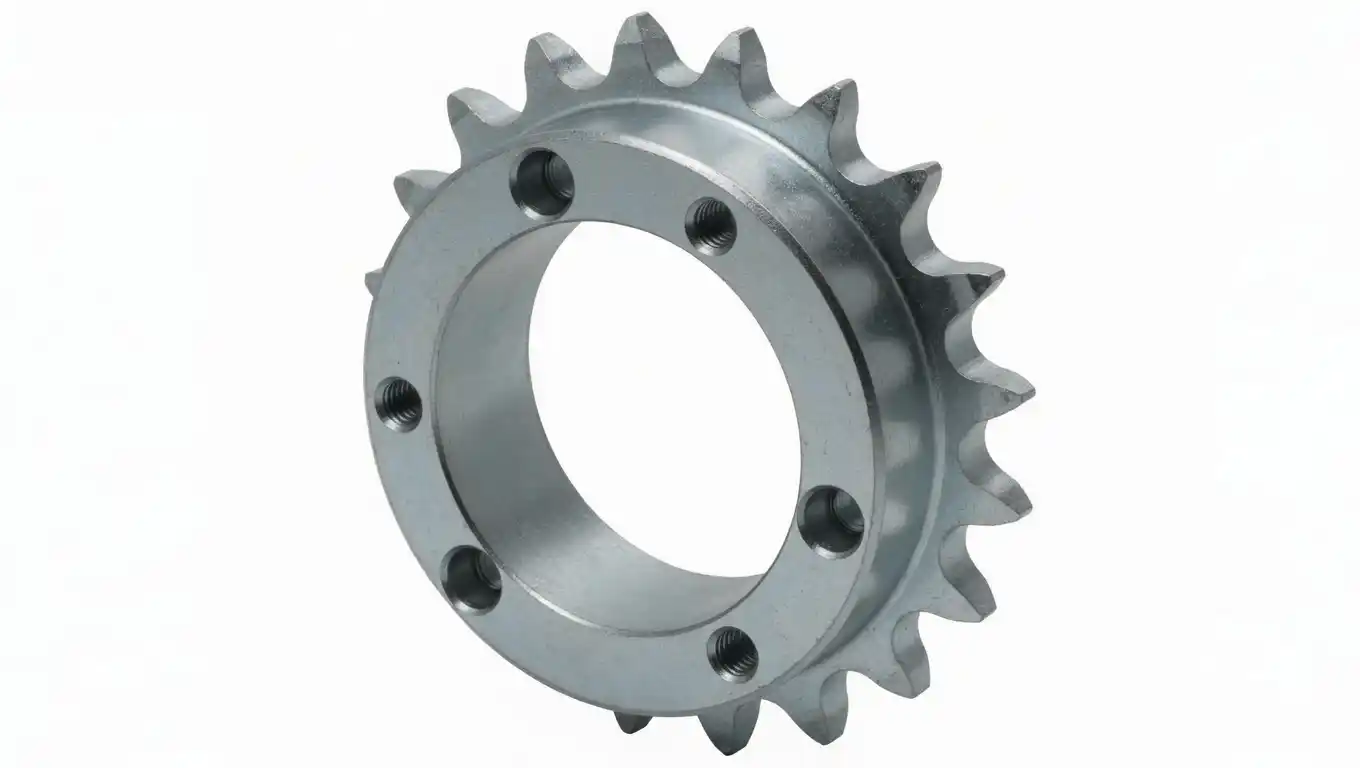
QD (Quick Detachable) Sprockets
Features a flanged design utilizing QD bushings for heavy-duty power transmission applications with superior holding power.
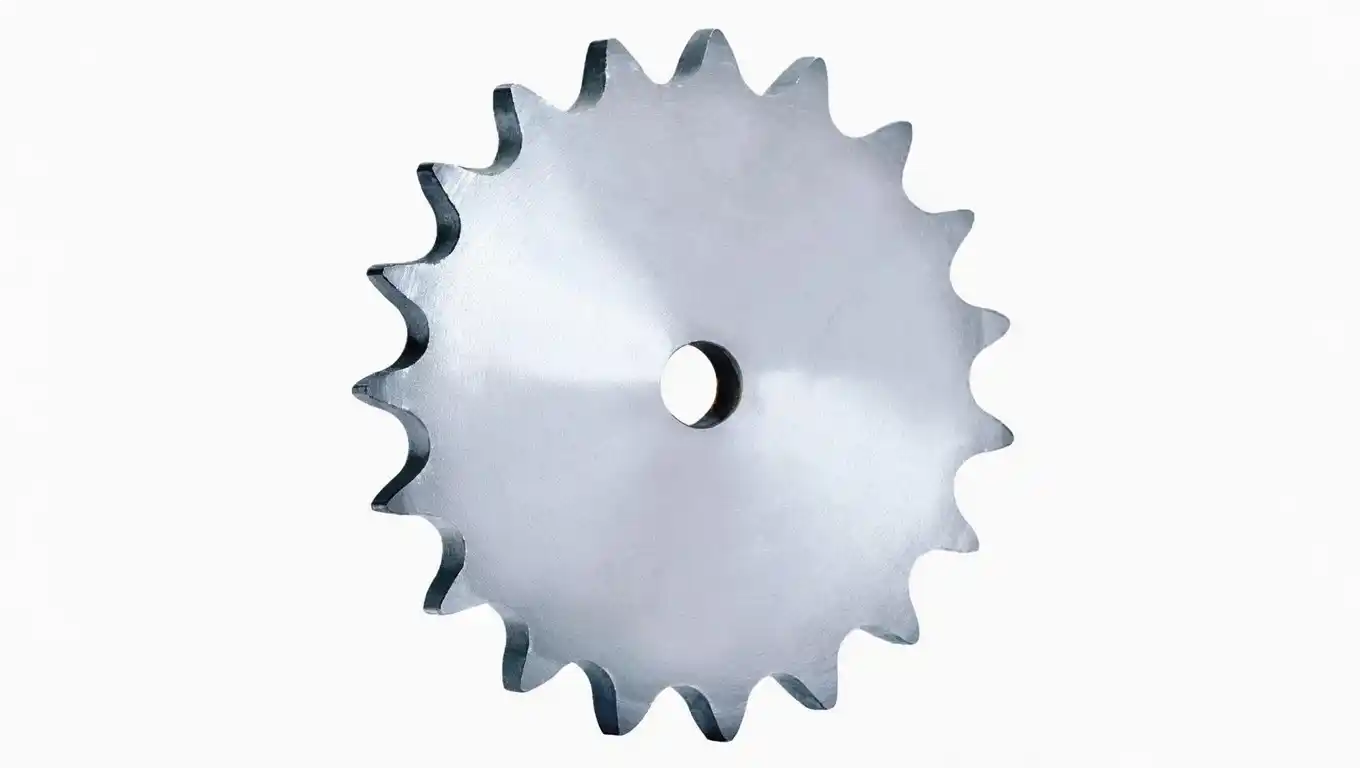
Plate Wheel Sprockets
Flat, hubless steel plate wheels ideal for compact drive configurations and specialized custom mounting assemblies.
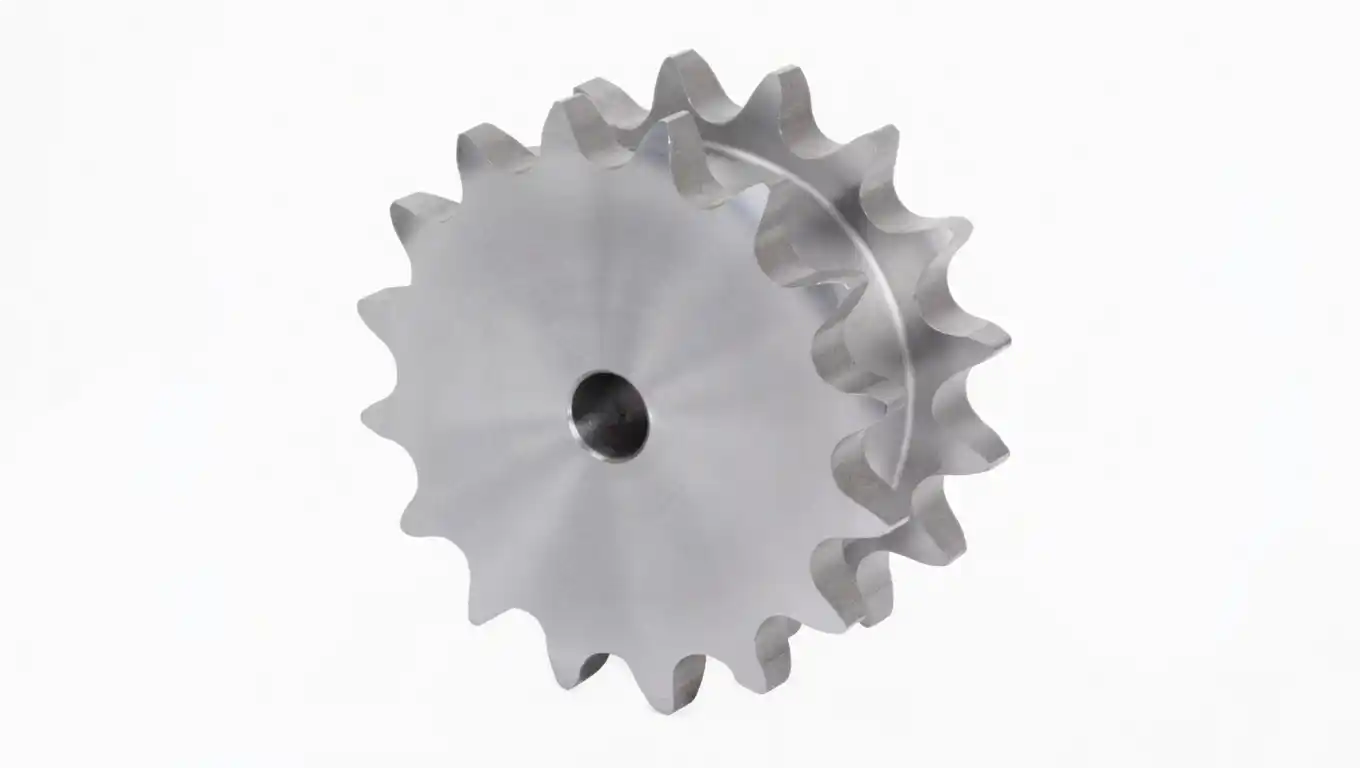
Double Pitch Sprockets
Perfectly engineered for double pitch conveyor and drive chains, reducing wear and extending operational life cycles.
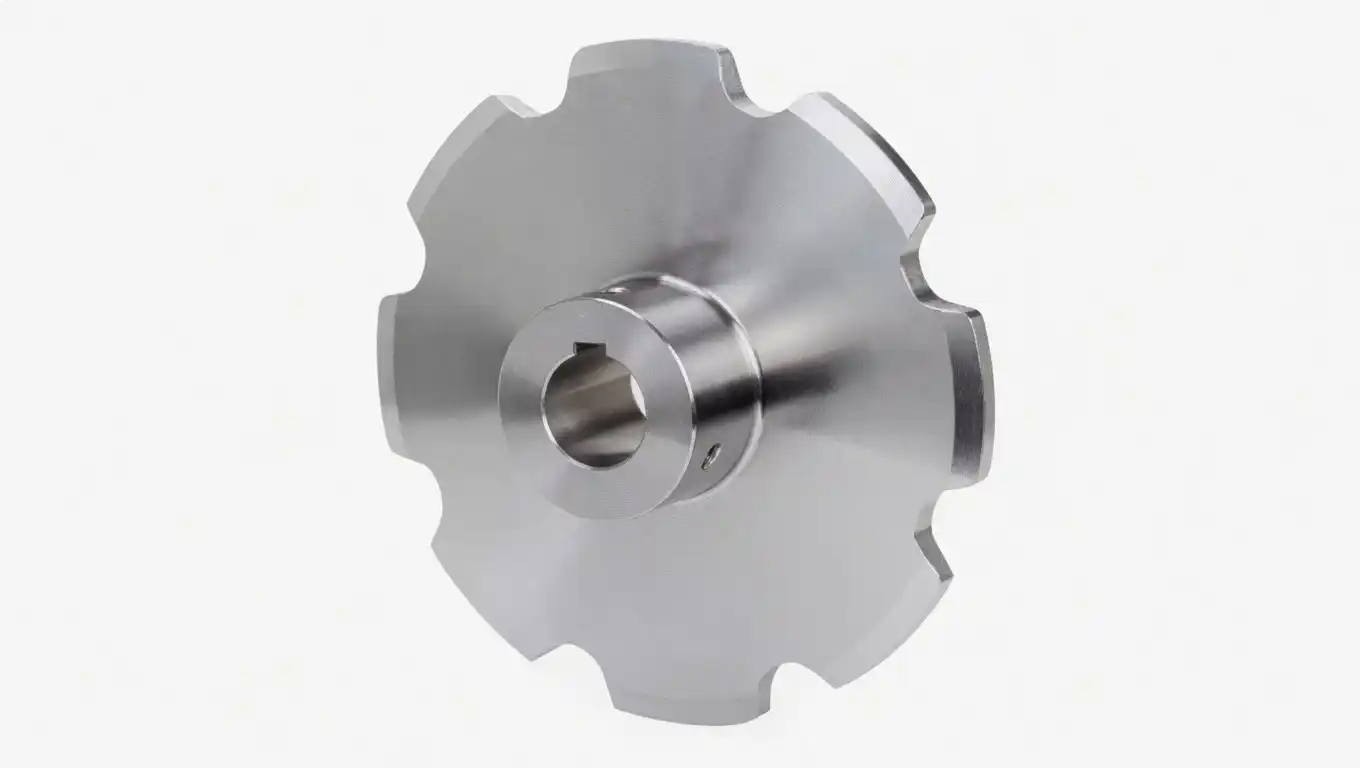
Conveyor Sprockets
Heavy-duty sprockets engineered specifically for material handling systems, assembly lines, and bulk conveying systems.
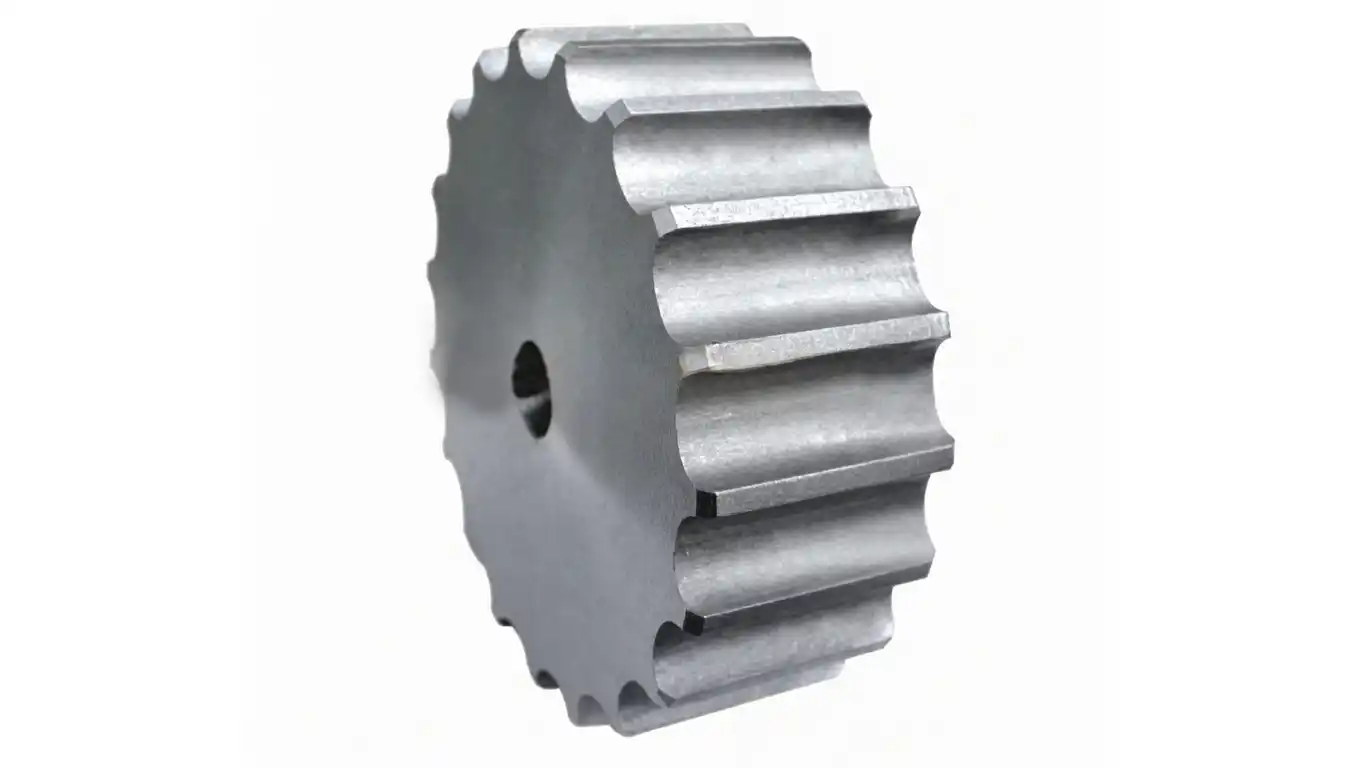
Flat Top Sprockets
Designed primarily for packaging lines, bottling, and food processing applications using flat-top modular conveyor chains.
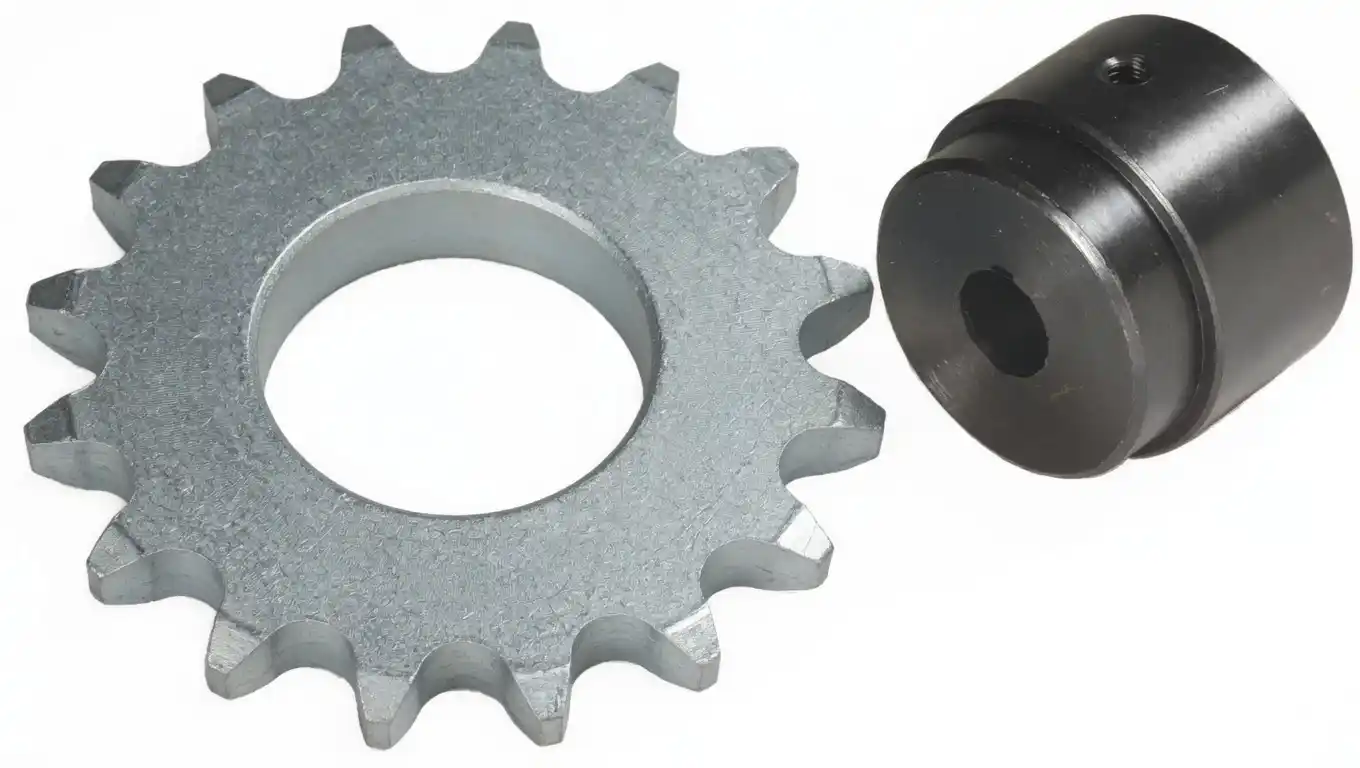
Weld on Hub Sprockets
Versatile component system allowing separate hubs to be permanently welded to steel sprocket plates to form rigid custom units.
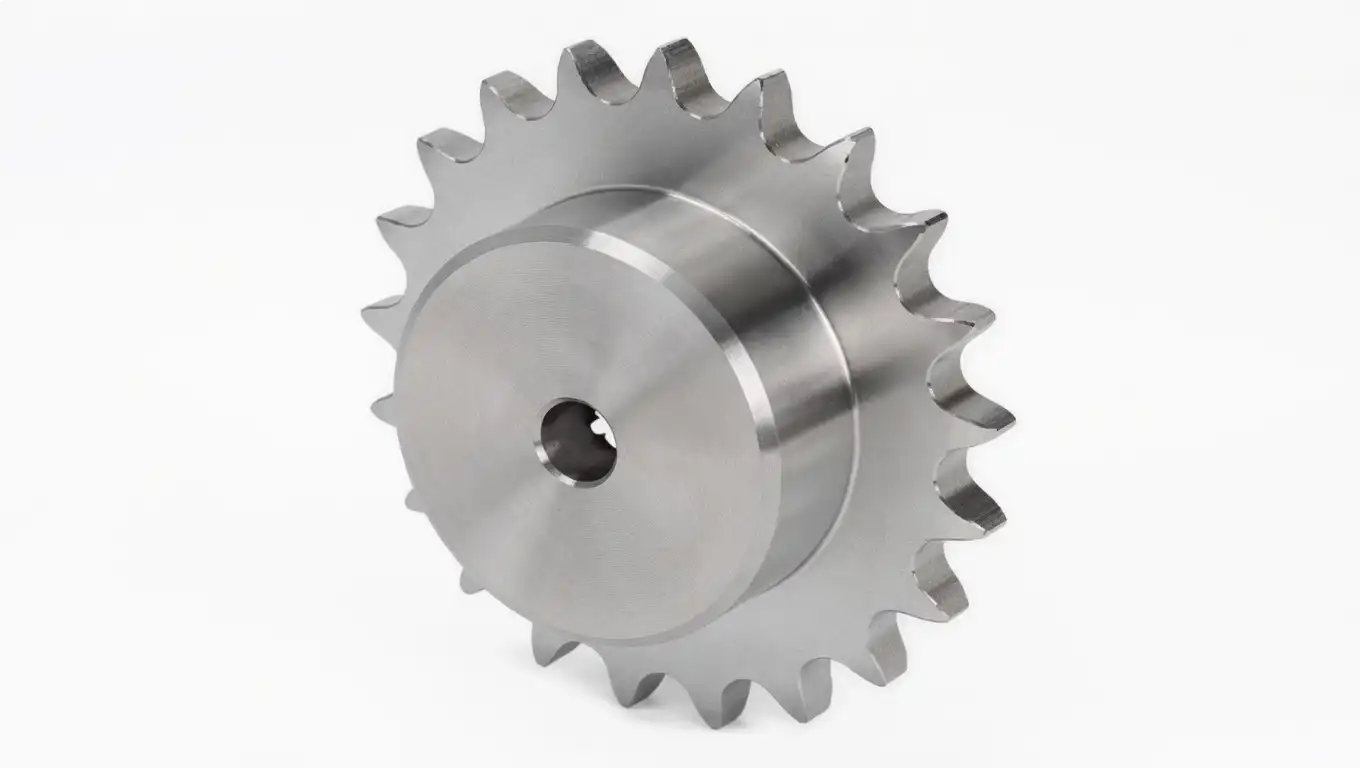
Stainless Steel Sprockets
Manufactured from premium grade stainless steel, ensuring ultimate corrosion resistance for sanitary, marine, or chemical environments.
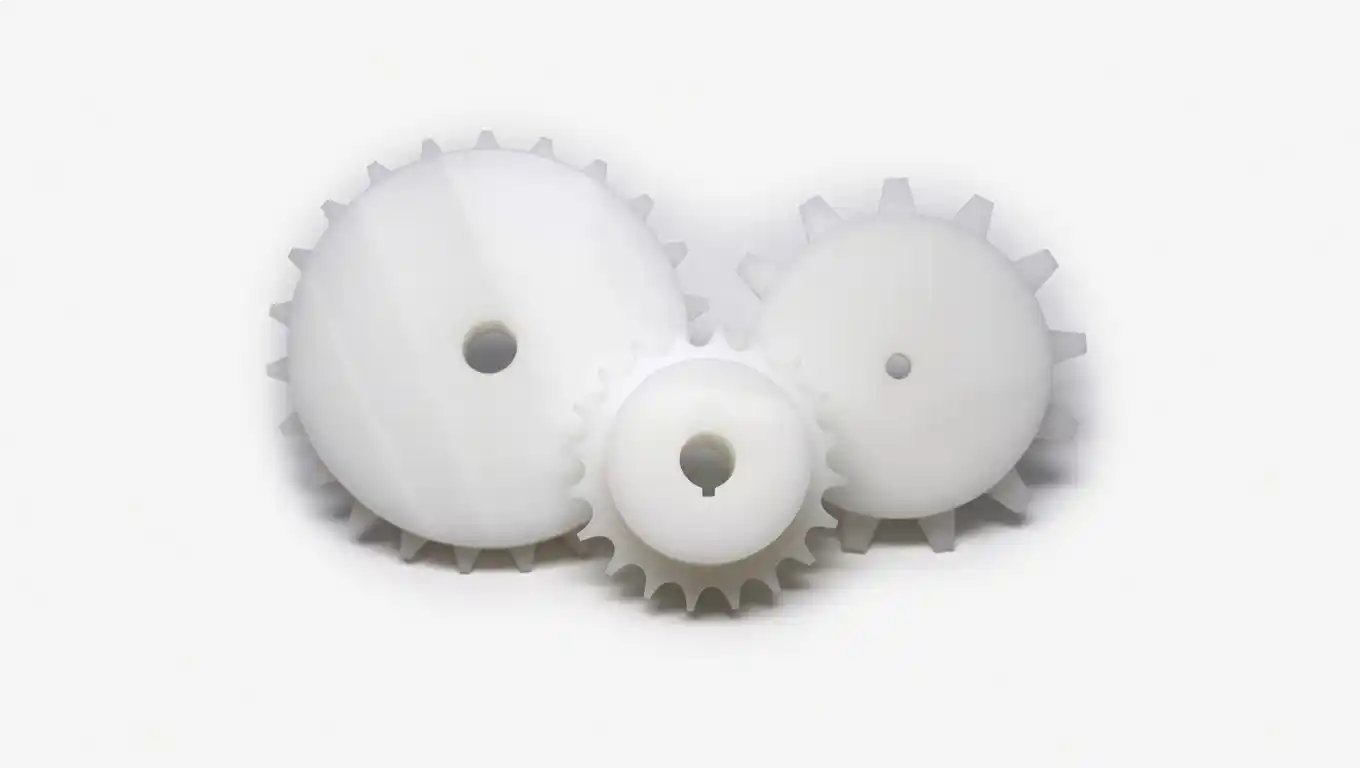
Plastic Sprockets
Lightweight, self-lubricating nylon or acetal sprockets providing quiet operation and excellent resistance to washdown environments.
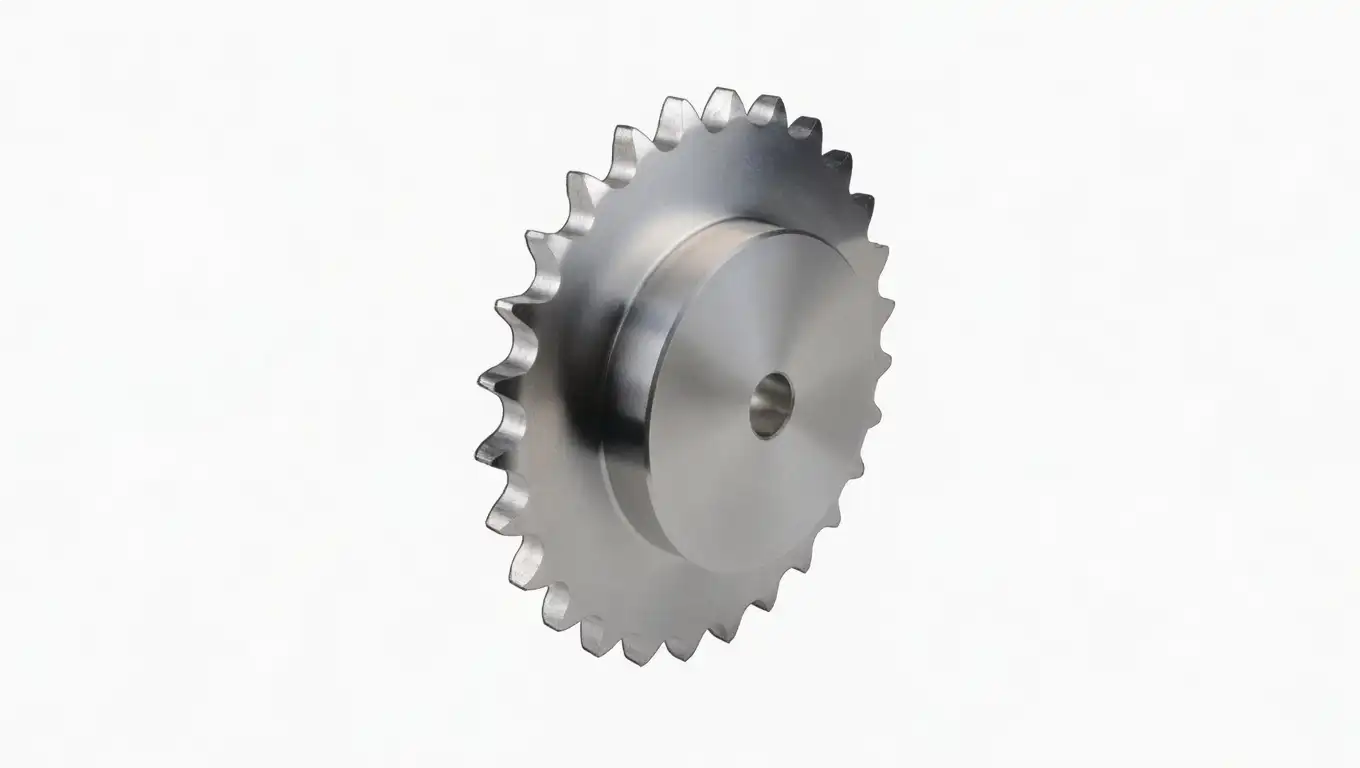
Steel Sprockets
High-carbon steel sprockets offering excellent strength and durability for standard industrial power transmission applications.
Standard Sprockets Series
Comprehensive standard-certified series strictly compliant with global manufacturing classifications (European, American, and Japanese standards).
① European Series Sprockets
- Standard Sprockets & Plate Wheels: P5, P6, 1/4X1/8, P8, 06B, 081-1, 083-1, 1/2X1/4(R7.75), 1/2X1/4(R8.51), 08B, 10B, 12B, 16B, 20B, 24B, 28B, 32B
- Plate Wheels for Conveyor Chains: P20, P30, P50, P75, P100
- Finished Bore Sprockets: 06B, 08B, 10B, 12B, 16B
- Taper Bore Sprockets: 06B, 08B, 10B, 12B, 16B, 20B
- Cast Iron Sprockets: 06B, 08B, 10B, 12B, 16B, 20B, 24B
- Other Subtypes: Stainless Steel Sprockets, Sprockets for 2 Single Roller Chains (SD Type), Idler Sprockets, Table Top Wheels
② American Series Sprockets
- Certified Series: ANSI-Certified Roller Chain Sprockets, Metric Roller Chain Sprockets, Engineer Class Sprockets
- Material Specialty: Stainless Steel Sprockets, Plastic Roller Chain Sprockets, Aluminum Roller Chain Sprockets, Double Pitch Sprockets Stainless Steel
- Functional Design: Double Pitch Sprockets, Single Double Sprockets, Idler Sprockets, Chain Coupling Sprockets, Taper Bore and QD Sprockets, Weld-on Hubs and Weld-on Sprockets
- Specialty Types: CC5A, CC5C, Drop Forged Rivetless Chain Sprockets
③ Japanese Series Sprockets
चयन मार्गदर्शिका
How to Select the Right Sprocket
Follow these five steps to specify the correct sprocket before contacting our engineering team.
Determine rated output torque (N·m), peak torque, and duty cycle (continuous, intermittent, or shock-prone).
Calculate required reduction ratio: input RPM ÷ output RPM. Account for motor speed and process speed tolerance.
Select inline (coaxial), parallel shaft, or right-angle output based on your machine layout and available installation space.
Note ambient temperature, IP rating needed, food-grade lubrication requirements, and corrosive/dusty conditions.
Send your parameters to [email protected] — our engineers respond within 24 hours with model recommendation and pricing.
——Technical Reference
Sprocket Type Technical Comparison
Use this table to identify the correct sprocket category for your drive requirements.
| TYPE | BORE METHOD | SHAFT CHANGE | TORQUE CAPACITY | BEST USE CASE | STANDARD |
|---|---|---|---|---|---|
| Finished Bore | Pre-machined exact | New sprocket | MEDIUM | Standard shafts, fast fitment | ANSI / BS / JIS |
| Pilot / Standard Bore | Customer machines | New sprocket | MEDIUM | Non-standard shaft sizes | All |
| Taper Lock Bushed | Taper bushing | Swap bushing | HIGH | Frequent maintenance, high torque | BS / ANSI |
| QD (Quick-Detach) | QD bushing | Seconds | HIGH | Rapid change drives | ANSI |
| Weld-On Hub | Welded to shaft | Cut off | VERY HIGH | Permanent, severe shock | ANSI |
| Idler (Bearing) | Bearing bore | Swap unit | N/A | Chain tensioning & guiding | All |
| Double Pitch | Various | Various | LOW-MED | Slow conveyors, long centres | ANSI / JIS |
| Stainless Steel | Various | Various | CORROSION PROOF | Food, pharma, marine | All |
| Plastic / Nylon | Injection moulded | Snap fit | LIGHT DUTY | Quiet, no lube, chemical resist | ANSI / BS |
| Plate Wheel | Pilot / bored | Various | HIGH | Conveyor chain, large diameter | BS |
——Selection Guide
About Industrial Sprockets
A sprocket (also called a chain sprocket, chainwheel, or toothed wheel) is a profiled wheel with teeth that meshes with a roller chain, timing chain, or other perforated material. Unlike a friction-drive pulley, a sprocket engages positively with the chain links — providing a positive, non-slip drive with a precise velocity ratio between input and output shafts. This makes sprocket-and-chain drives the preferred solution wherever accurate speed ratio, high torque, long centre distances, or multiple shaft drives are required.
Industrial roller chain sprockets are manufactured to three major international pitch standards: ANSI B29.1 (American, pitch in inches), ISO 606 / BS 228 (European/British, metric pitch), and JIS B1801 (Japanese, similar to ANSI but with unique tooth profiles). These standards are NOT interchangeable — always confirm your chain standard before ordering replacement sprockets.
Quick Chain-to-Sprocket Standard Reference
ANSI #40 chain (½” pitch) → ANSI #40 sprocket | BS 08B chain (12.7mm pitch) → BS 08B sprocket | JIS #40 chain → NK40B / K40A / HG40A sprocket
SPROCKET SELECTION PARAMETERS
- Chain standard: ANSI / BS-ISO / JIS
- Chain pitch (inches or millimetres)
- Number of strands (simplex / duplex / triplex)
- Number of teeth (tooth count)
- Bore diameter and keyway dimensions
- Hub type: A (no hub), B (hub one side), C (hub both sides)
- Bore attachment: finished bore / taper lock / QD
- Material: steel / stainless / cast iron / plastic
- Tooth hardening: standard / induction hardened (HRC 50+)
- Special: idler, double pitch, flat top, weld-on
COMMON SPROCKET MATERIALS
- C45 medium carbon steel — standard industrial use
- Alloy steel (40Cr, 42CrMo) — high-load hardened
- Cast iron GG25 — large plate wheels, slow speed
- SS304 stainless — food, light corrosion resistance
- SS316 stainless — chemical, marine, pharmaceutical
- Nylon PA6/PA66 — quiet, self-lubricating, light duty
- Acetal (POM/Delrin®) — dimensional stability, chemical resist
- Aluminium alloy — weight-sensitive applications
- Case-hardened steel — high cycle fatigue applications
——Common Questions
अक्सर पूछे जाने वाले प्रश्नों
What is a sprocket and how does it differ from a gear?
A sprocket is a toothed wheel that meshes with a roller chain, timing chain, or track — it transfers rotational motion via positive engagement with the chain links. Unlike a gear, which meshes directly with another gear’s teeth, a sprocket works with a flexible chain as the intermediary. This allows power transmission between shafts that are far apart or require flexible routing, and permits multiple driven shafts from a single driver sprocket.
What is the difference between ANSI and European BS standard sprockets?
ANSI (American National Standards Institute) and BS/ISO (British Standard, used throughout Europe) sprockets differ in pitch dimensions and tooth profiles. ANSI chains use inch-based pitches (#25, #35, #40, #50, #60, #80, #100, #120, #140, #160) while BS chains use metric pitches (06B=9.525mm, 08B=12.7mm, 10B=15.875mm, 12B=19.05mm, 16B=25.4mm, etc.). They are NOT interchangeable — always match the sprocket standard to your chain standard exactly.
What is a taper lock sprocket and what are its advantages?
A taper lock (taper bore) sprocket uses a split tapered bushing that locks onto the shaft as fixing screws are tightened, providing a zero-backlash, high-torque connection that can be installed and removed without special tools. Advantages include: easy shaft size changes by swapping bushings (no new sprocket required), quick maintenance removal, no shaft keyway damage from repeated assembly, and TIR concentricity better than 0.05mm. Taper lock bushings are available from size 1008 to 5050 covering shaft diameters from 8mm to 125mm.
Can you supply sprockets to custom tooth counts and bore sizes?
Yes. Ever Power manufactures custom sprockets to specified tooth count, pitch, bore diameter, keyway dimensions, hub length, hub diameter, and material. Minimum order quantity for fully custom sprockets is typically 10–50 units depending on complexity and size. Standard catalog items are available from 1 unit. Submit your drawings, part numbers, or specifications to [email protected] for a quotation.
What materials are available for industrial sprockets?
We supply sprockets in: C45 medium carbon steel (standard, with or without induction-hardened teeth), alloy steel 40Cr / 42CrMo (high load, fully hardened), cast iron GG25 (for large plate wheels and slow-speed applications), SS304 stainless steel (food processing, light corrosion), SS316 stainless steel (pharmaceutical, marine, chemical processing), engineering-grade nylon PA6/PA66 (quiet, self-lubricating, light duty), acetal/POM (dimensional precision, chemical resistance), and aluminium alloy (weight-sensitive equipment).
What do Type A, Type B, and Type C mean in sprocket configurations?
These letter designations refer to the sprocket’s hub style and configuration.
- Type A is a flat plate wheel with no hub at all, typically welded or bolted directly to a machine flange.
- Type B features a hub extending out from only one side, which accommodates a keyway and set screws to secure it to a shaft.
- Type C features a hub extending symmetrically from both sides, providing a wider contact surface and greater stability for heavy-duty, high-torque applications. Additionally, some manufacturers offer Type D, which features a split-body design that bolts together for quick installation without dismantling the entire shaft assembly.