Descrizione
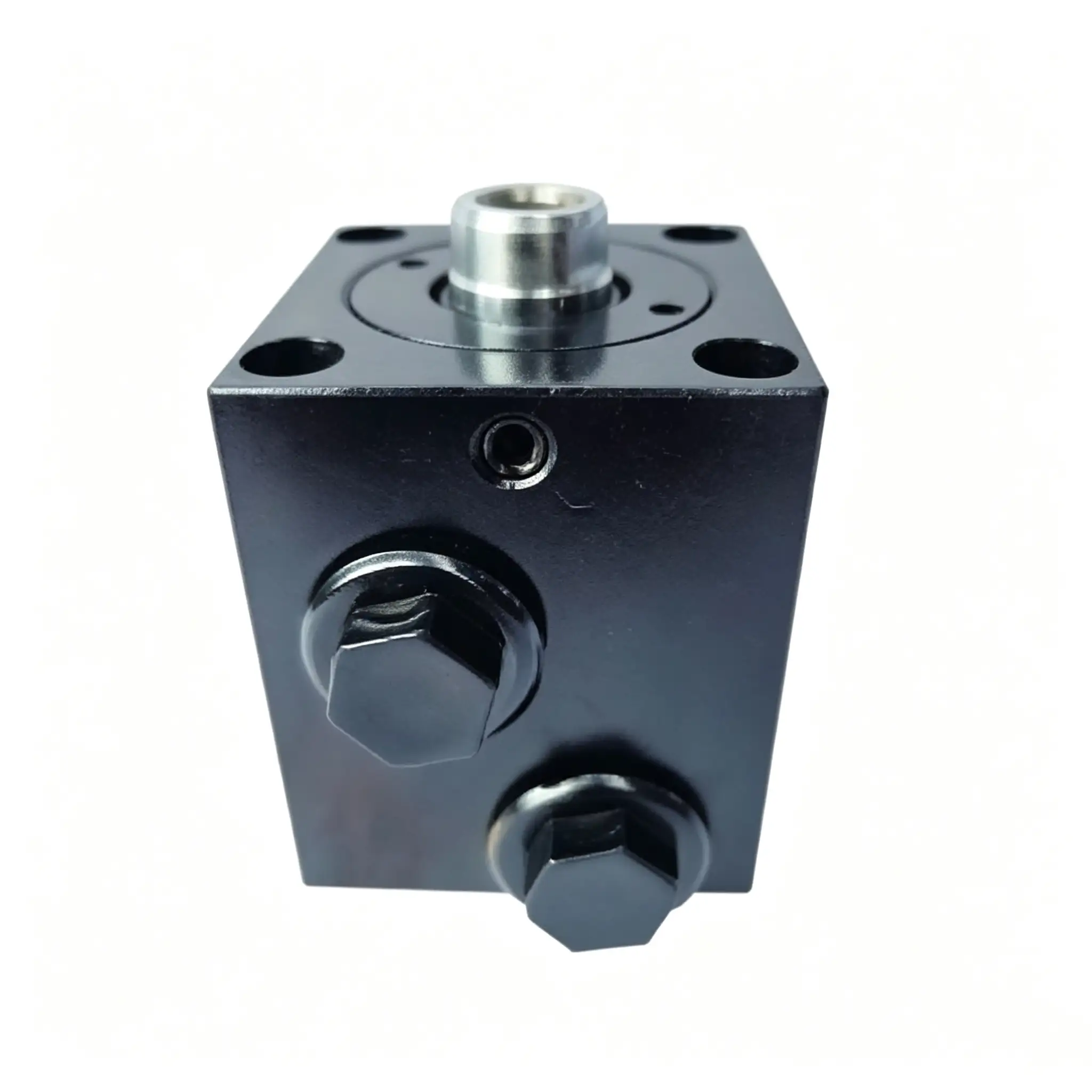
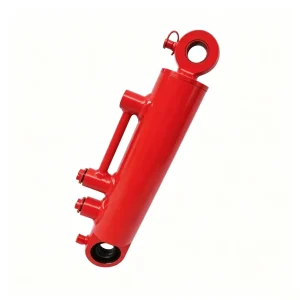
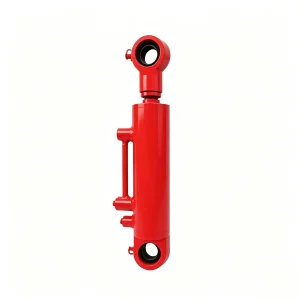
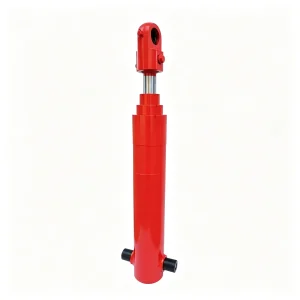
Garbage Truck Hydraulic Cylinder
Tailgate Actuation Cylinder — Precision Latch Control for Rear-Load Refuse Compactors
Rod Ø 20 mm
Stroke 20 mm
C-C 84 mm
The tailgate actuation cylinder is a short-stroke, high-reliability hydraulic latch actuator that governs the engagement and release of the rear discharge door on rear-load refuse compactors. Built for thousands of daily latch cycles in aggressive outdoor environments, it delivers consistent locking force regardless of ambient temperature or system pressure fluctuation.
Why the 32 mm Bore and 20 mm Stroke Define Reliable Tailgate Latch Cylinder Performance on Refuse Vehicles
At first glance, a cylinder with a 20 mm stroke can seem too small to matter — but in the context of a tailgate actuation cylinder, short-stroke precision is exactly what the application demands. The latch mechanism on a rear-load refuse compactor tailgate does not require a long-travel actuator. It requires one that delivers a defined, forceful, and repeatable push-pull movement to drive the latch hook into a hardened keeper and hold it there reliably throughout the compaction cycle, the road transit, and the tipping discharge operation.
A 32 mm bore cylinder at a working pressure of 150–160 bar generates approximately 12 kN of push force. This is calibrated to the actual latch engagement load: the hook must overcome the door seal compression preload — typically 2–5 kN distributed across the tailgate perimeter — plus the friction in the latch pivot as the hook rotates past the keeper apex. The resulting force margin of 2.5–3× over the actual engagement load provides reliable latch engagement even when the circuit pressure is reduced by cold-start hydraulic oil viscosity or by a partially worn pump that delivers below-spec pressure at idle.
The 84 mm C-C mounting distance is as critical to correct function as the bore diameter itself. In a latch actuator application, C-C length determines the geometric position of the cylinder relative to the latch arm pivot. With an 84 mm C-C measurement, the cylinder is positioned to deliver its maximum mechanical advantage at the exact moment when latch hook resistance is at its peak — just before the hook tips over the keeper apex and drops into the engaged position. Engineers designing latch systems carefully calculate this relationship: a C-C distance that is even 10–12 mm longer or shorter changes the effective moment arm on the latch hook, potentially requiring higher system pressure to achieve full engagement or — more dangerously — allowing the hook to reach its geometric end stop before it has fully engaged the keeper.
The 20 mm rod diameter gives this cylinder a rod-to-bore ratio of 0.625 — a meaningfully high ratio for a small-bore cylinder. In a latch actuator, the rod frequently sees side-bending loads when the latch arm is not perfectly aligned with the cylinder axis during engagement, particularly after mechanical wear has developed in the latch pivot bearing. A 20 mm rod resists these off-axis bending loads far better than a 16 mm rod would, and its larger contact area with the rod seal and wiper extends the seal service life by distributing the sealing contact force over a broader surface — a practical advantage in a cylinder that executes hundreds of stroke cycles per working day.

Seal Selection and Corrosion Resistance in Compact Garbage Truck Latch Cylinders Operating in High-Contamination Environments
The tailgate latch cylinder sits at one of the most contaminated positions on a refuse vehicle: the rear lower quadrant, where road splash, waste leachate, winter road salt, and high-pressure cleaning water converge on a single small component. Despite its compact 84 mm overall envelope, the seal and surface protection system built into this cylinder must perform as robustly as the larger cylinders mounted in more protected positions.
The rod seal is a double-lip polyurethane design: the outer lip functions as a wiper, mechanically stripping bulk contamination — grit, organic particles, moisture — from the rod surface on every inward stroke before it can reach the primary sealing lip. The inner lip provides the hydraulic seal. Between these two lips sits a debris intercept groove that collects any contamination passing the outer lip, preventing it from accumulating against the primary seal and driving abrasive wear. This cascade arrangement is standard on refuse vehicle cylinders designed for sustained outdoor service and has been validated in environments ranging from food waste collection routes with high organic acid contamination to winter road-salt-intensive routes in Northern Europe and Canada.
The 20 mm rod is hard-chrome plated to 25–30 μm thickness over an induction-hardened steel substrate. This chrome thickness — on the heavier end of the typical 20–25 μm range — is specified deliberately for refuse vehicle service, where the rod surface regularly contacts waste particles that work past the wiper seal and abrade the plated surface over time. The heavier chrome deposit provides additional service life before the plating is worn through to the substrate, at which point corrosion rapidly attacks the exposed steel and rod seal failure follows. External barrel and cap surfaces receive a zinc phosphate adhesion coat followed by a high-build epoxy primer and polyurethane topcoat, achieving salt spray resistance of 500+ hours per ISO 9227 — a meaningful threshold for year-round outdoor refuse vehicle operation.
Sourcing Tailgate Actuation Cylinders for Municipal Refuse Fleet Maintenance: Cross-Reference, MOQ, and Service Documentation
For municipal waste departments and private hauling contractors managing large rear-load compactor fleets, the tailgate actuation cylinder is a high-turnover MRO item. Its position at the rear of the vehicle — exposed to impact from containers, road debris, and wash-down equipment — means physical damage is as common a replacement trigger as seal wear. A well-run fleet maintenance program stocks a minimum of one replacement cylinder per five active vehicles, adjusted upward for older fleet assets where latch mechanism wear increases the cylinder’s side-loading exposure.
When specifying a replacement, workshop technicians must verify all four critical dimensions: bore (32 mm), rod diameter (20 mm), stroke (20 mm), and C-C mounting distance (84 mm). Additionally, confirm the rod end connection type — clevis, female thread, or male thread stud — and the cap end mounting style. An incorrect rod-end connection cannot be adapted in the field without machining, which defeats the purpose of a rapid replacement strategy. Our technical team maintains a dimensional cross-reference library for tailgate latch cylinders fitted to major OEM refuse body platforms and can confirm compatibility against your existing part number or a dimensional photograph before order placement.
Seal rebuild kits are available separately for operations with in-house cylinder servicing capability, allowing the seal package to be renewed without replacing the entire cylinder assembly — a cost-effective option when the rod and barrel are still in serviceable condition. Each rebuild kit includes all internal seals, the wiper ring, and a one-page installation sequence with torque specifications for the gland nut. Standard delivery lead time for complete replacement cylinders is 10–18 working days; express options are available for urgent fleet breakdown situations.
- Rear-load refuse compactor tailgate latch engagement and release actuation
- Side-load automated collection vehicle hopper door latch cylinder
- Roll-off hook-lift truck body safety latch actuator
- Stationary industrial waste compactor discharge door latch
- Recycling vehicle compartment divider lock actuator
The 20 mm stroke is the total rod travel from full retraction to full extension. For a latch actuator, this is enough travel to drive the latch hook cleanly over the keeper apex and seat it in the engaged position — typically 14–18 mm of actual hook movement amplified through the latch arm geometry. Short stroke also means faster cycle time and lower swept volume per cycle, reducing hydraulic system heat load during high-frequency latch cycling.
Yes, with the correct seal compound specified at order. The standard polyurethane seal package is rated to -25°C cold-start performance. For operations in subarctic environments where temperatures routinely reach -30°C or lower, we supply a low-temperature NBR/PTFE composite seal kit that maintains flexible lip geometry and reliable sealing down to -40°C, without requiring hydraulic oil preheating before latch operation.
Under normal municipal collection duty — approximately 300–500 latch cycles per day — plan a preventive cylinder inspection at 12 months and a seal rebuild or complete replacement at 18–24 months. Vehicles operating in road-salted winter environments or handling aggressive waste streams (food processing, chemical waste residuals) should move the replacement interval forward to 12–18 months to prevent a latch failure during service.
Yes. We maintain cross-reference records covering major refuse body OEM platforms including Heil, McNeilus, Labrie, Faun, and Zoeller. Provide your existing part number or a photograph of the installed cylinder with dimensions and we will confirm compatibility — or identify the closest match from our product range — before you place an order.
Source the Tailgate Actuation Cylinder for Your Refuse Fleet
Our B2B sales team provides OEM cross-reference matching, fleet MRO pricing, dimensional drawings, and seal kit documentation. Bulk and blanket order programs available for municipal and commercial fleet programs.