
ISBM Machines by Application
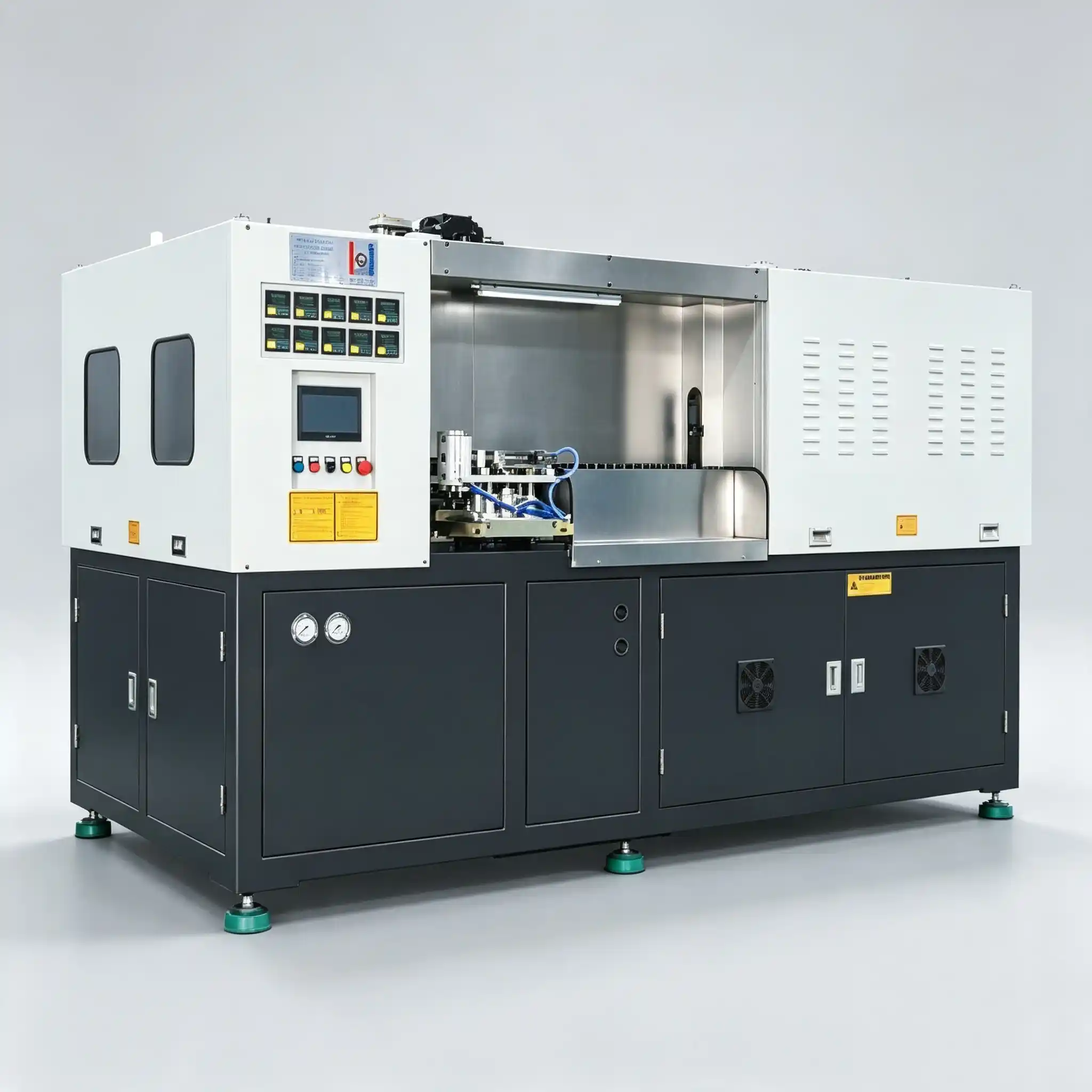
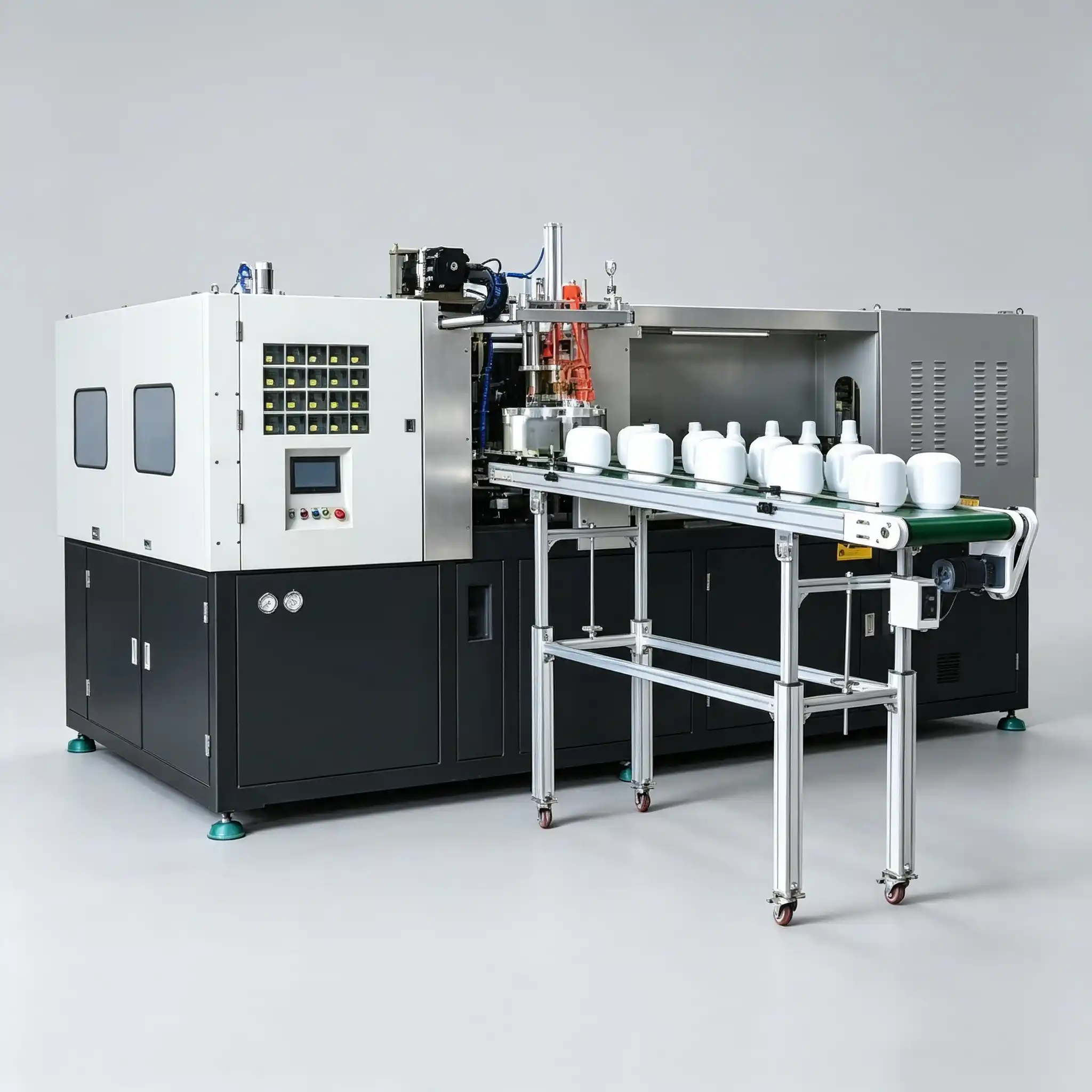
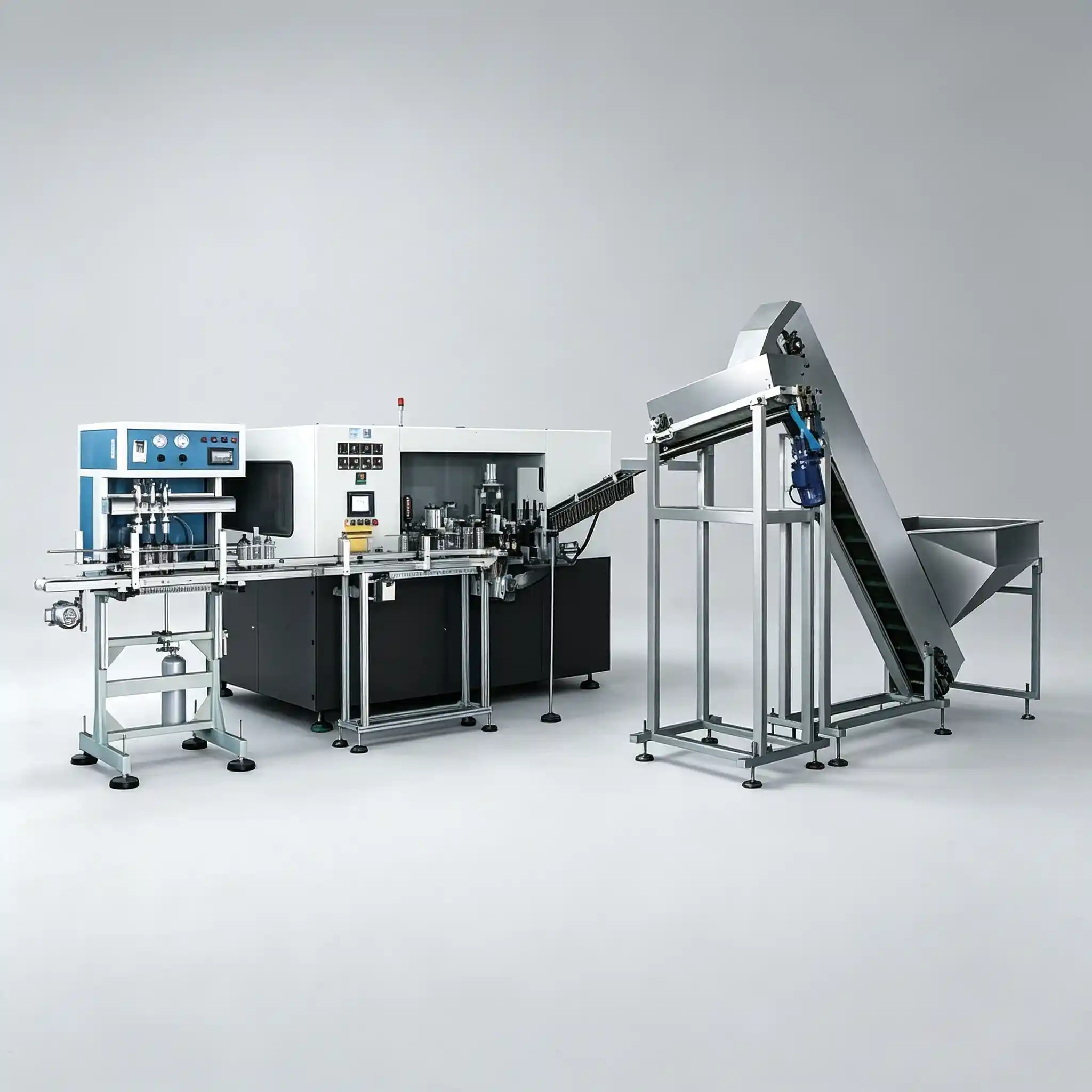
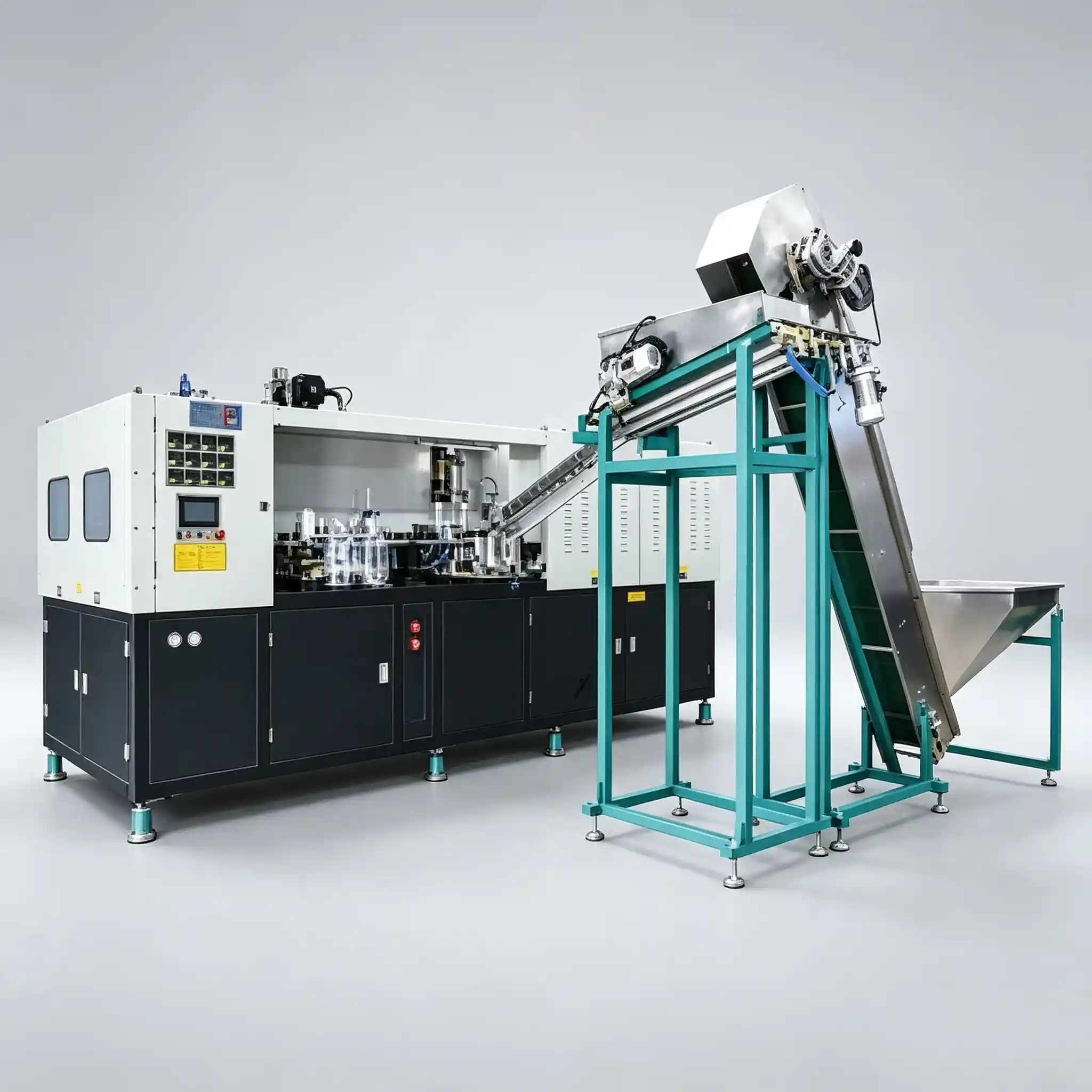
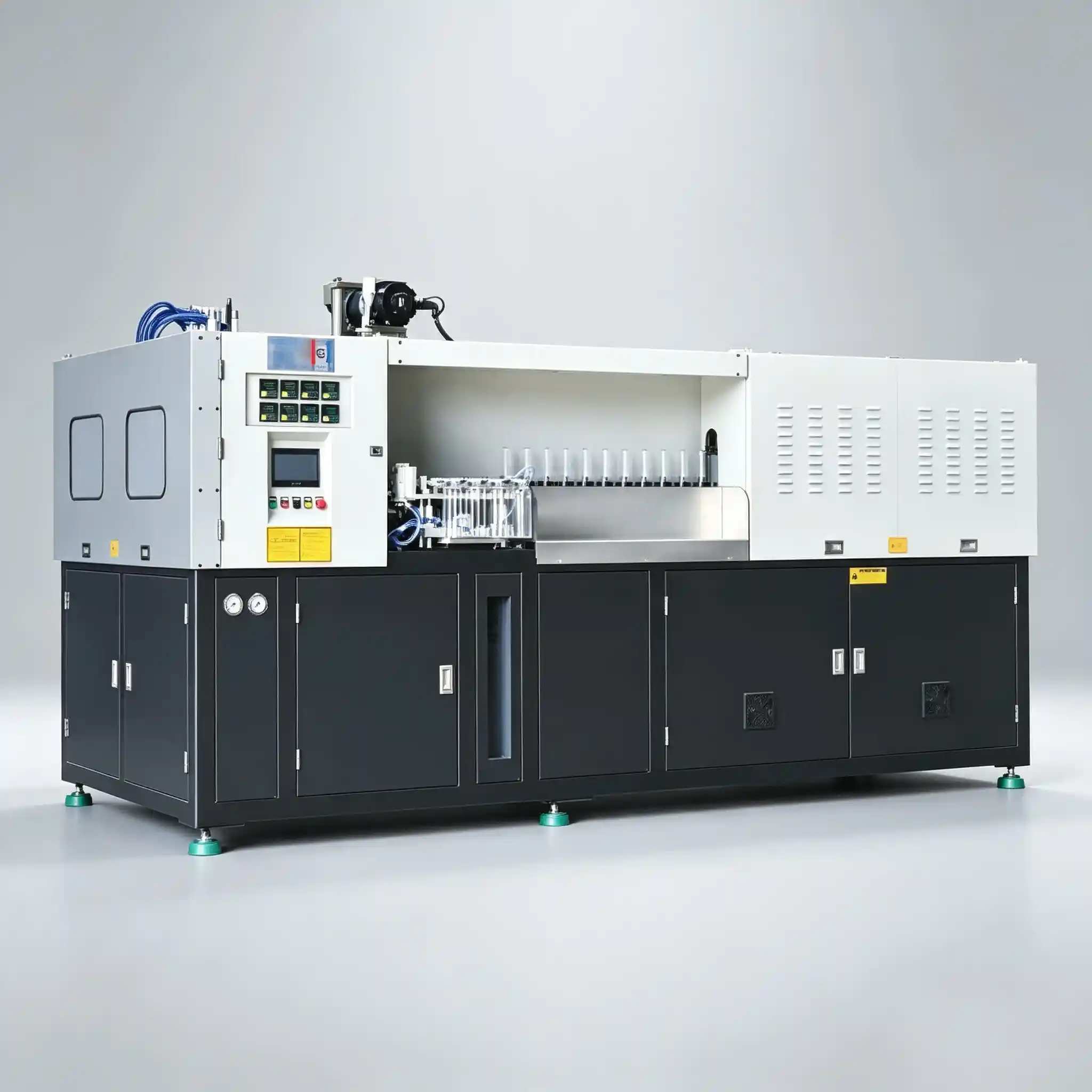
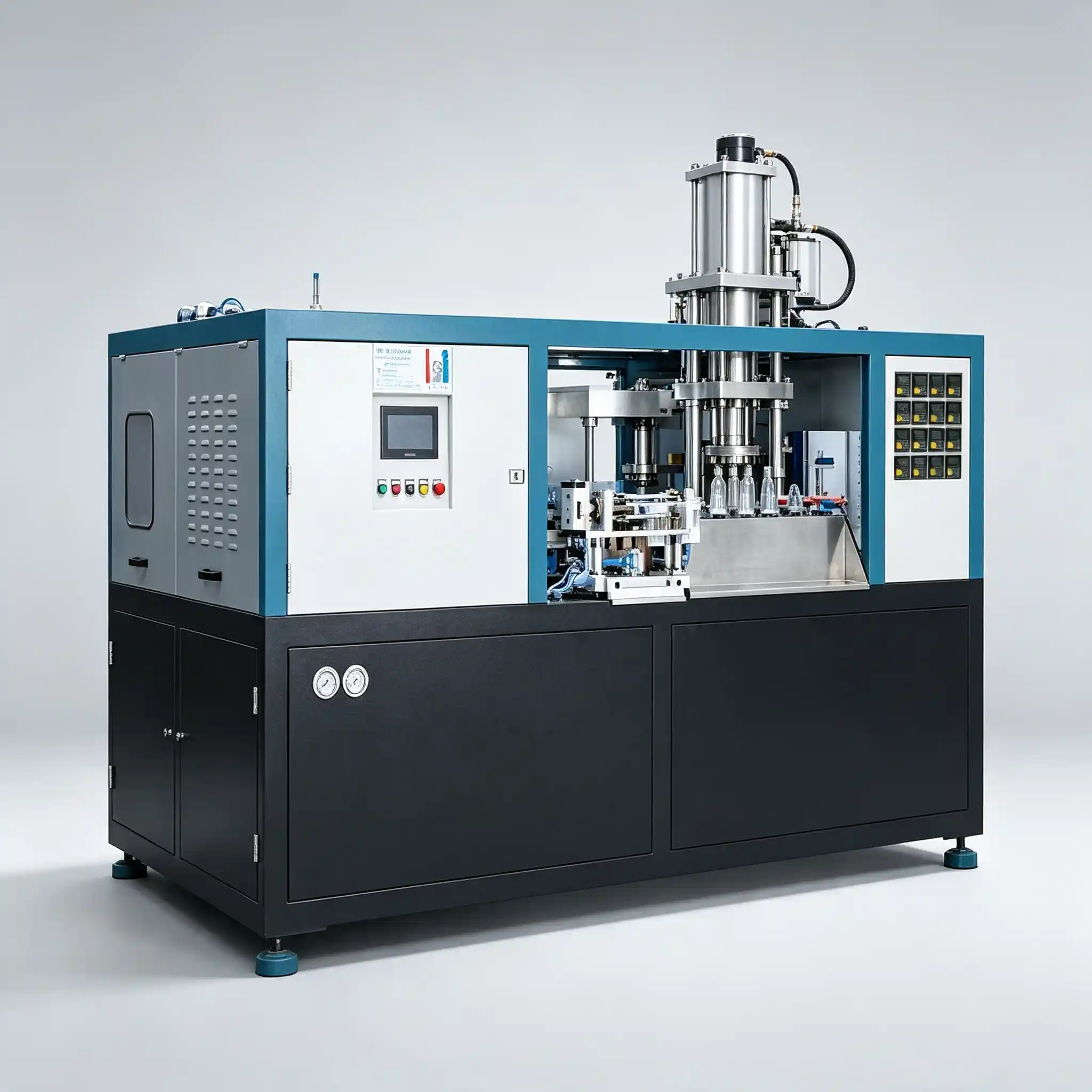
One-step injection stretch blow molding machines engineered for six distinct container markets — from cosmetic bottles requiring optical clarity and fine surface detail, to GMP-grade pharmaceutical vials, edible oil jugs with integrated handles, and wide-mouth food jars demanding structural rigidity. Each machine configuration is matched to the specific material, geometry, and regulatory requirement of its target container.
Select the machine built for your container type
Packaging requirements differ fundamentally by industry — surface gloss for cosmetics, neck-finish precision for child-resistant closures, autoclave clearance for pharma, and integrated handle geometry for oil jugs. The six product lines below address each with application-specific mold designs, material profiles, and process parameters.
Resin-to-application selection matrix
Material choice drives tooling design, conditioning temperature, blow pressure, and regulatory status. The table below shows which resins are qualified per application category. All listed combinations have been validated on production machines — contact us for materials not shown.
| Resin | Cosmetic | Food Jar | PET Bottle | Oil Jug | Pharma | Baby / Special |
|---|---|---|---|---|---|---|
| HAUSTIER | — | ✓ | ✓ | — | — | — |
| PETG | ✓ | ✓ | ✓ | ✓ | — | — |
| PP (food / pharma grade) | — | ✓ | ✓ | ✓ | ✓ | ✓ |
| PC | ✓ | — | — | — | ✓ | — |
| Tritan (BPA-free copolyester) | ✓ | ✓ | — | — | — | ✓ |
| PPSU | — | — | — | — | ✓ | ✓ |
| SAN / AS | ✓ | — | — | — | — | — |
| COC (cyclic olefin) | — | — | — | — | ✓ | — |
What one-step ISBM solves that two-step cannot
Two-stage processes require a separate preform re-heating cycle, which creates thermal history variation, surface oxidation risk, and an additional material-handling step. The one-step architecture avoids these at the cost of lower output per machine — a trade-off that suits specialty, high-margin, and regulatory-sensitive containers.
Matching machine configuration to production requirements
The right ISBM configuration depends on four variables: container geometry complexity, resin type, required output rate, and regulatory environment. The notes below cover the most common decision points across the six application lines.
OUTPUT VS. VARIETY
Two-step SBM delivers higher bph at lower cost per bottle for single SKUs above 500 mL. One-step ISBM becomes the correct choice where cavity count is low (1–8), SKU count is high, or container geometry prevents preform re-heating (handles, wide mouths, asymmetric profiles).
REGULATORY CLEARANCE
Pharmaceutical buyers operating under EU GMP Annex 1 or FDA 21 CFR Part 211 should specify the HGA Series pharma configuration with documented IQ/OQ/PQ support. Standard ISBM machines are not configured for cleanroom integration without additional HEPA plenum and surface treatment packages.
MOLD INVESTMENT
New container projects can enter with 1–2 cavity prototype molds. Production molds (4–8 cavity) are fabricated in S136H or H13 hardened steel with a quoted tooling life of 500,000–2,000,000 cycles depending on resin abrasiveness. ASB-compatible mold prints are accepted directly.
SAMPLE & PILOT PRODUCTION
Factory trials can be arranged for container samples before tooling commitment. Submit a 3D STEP file or physical sample with wall-thickness callouts, resin specification, and required thread standard (SP, GPI, or DIN). Typical pre-production sample lead time is 30–45 days from mold order placement.
Questions buyers ask before ordering
The following covers the most common technical and commercial questions received from packaging manufacturers, brand procurement teams, and distributor partners evaluating ISBM equipment.
What is the standard lead time for machine and mold delivery, and how are custom container shapes handled?
Standard machine lead time is 60–90 days from order confirmation and deposit receipt. Mold fabrication runs in parallel for most configurations and adds 30–45 days to first production sample readiness. For custom container profiles — irregular shoulders, embossed logos, asymmetric cross-sections — the mold design review adds approximately 5–10 working days before tooling steel is cut.
Customers provide container geometry via 3D STEP file or physical sample. The engineering team returns a DFM (Design for Manufacturability) report identifying any preform distribution challenges, stretch-ratio limits, or minimum wall-thickness concerns before tool order is placed.
Is there a minimum order quantity (MOQ) for machines and tooling?
There is no minimum quantity on machines — single-unit orders are accepted. Tooling (molds) is quoted per cavity set; there is no minimum cavity count requirement. A 1-cavity prototype mold is available for first-article verification before committing to a full production cavity set.
Spare parts orders have a minimum value threshold of USD 500 per shipment to cover logistics cost. For distributor and agent partners in specific territories, volume-based pricing tiers are available — contact the sales team with your territory and expected annual unit projection.
Can the ISBM machine process existing molds from Aoki, ASB, or other Japanese OEM platforms?
Yes. The machine platform is dimensionally compatible with Aoki and Nissei ASB mold interfaces, specifically the ASB-12M and ASB-50 mold plate formats. Before transferring an existing mold, submit the original mold drawing or a set of interface measurements (preform mold PCD, blow mold pitch, core rod diameter) for a compatibility verification check — this is completed at no charge within 5 working days.
Molds designed for SIPA, Husky, or custom non-standard interfaces require an adapter plate to be machined. The adapter adds 10–15 days to first-production readiness but allows the customer to avoid re-cutting expensive blow molds. Compatibility cannot be guaranteed without dimensional confirmation on a case-by-case basis.
What documentation and testing are provided for pharmaceutical and food-contact applications?
Standard machine documentation includes CE Declaration of Conformity, factory acceptance test (FAT) report, electrical panel wiring diagrams, PLC program backup, and operation/maintenance manuals in English. Material-contact parts are supplied with material certificates confirming food-grade or medical-grade compliance of any steel or polymer component in the melt or bottle pathway.
For pharmaceutical buyers:
- IQ (Installation Qualification) and OQ (Operational Qualification) protocol templates are available upon request.
- PQ (Performance Qualification) support can be provided by a qualified application engineer during site commissioning at additional cost.
- Change control documentation covering any modifications to the machine after FAT is provided in line with GMP record-keeping requirements.
Food-contact applications: migration test reports for mold steel alloys and hot-runner components are available. Third-party testing against EU Regulation 10/2011 or FDA 21 CFR 177 can be arranged at the buyer’s request and cost.