Сипаттама
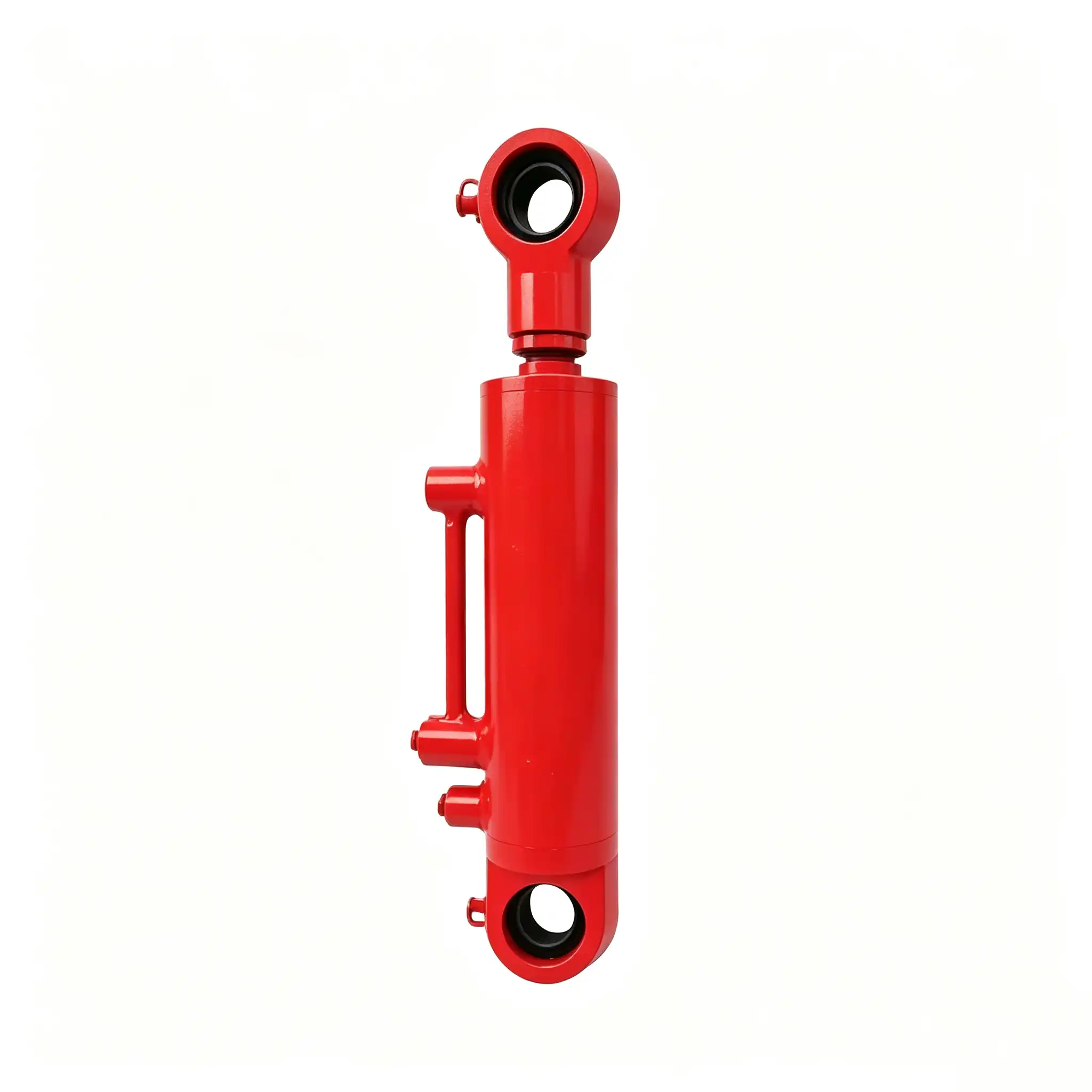
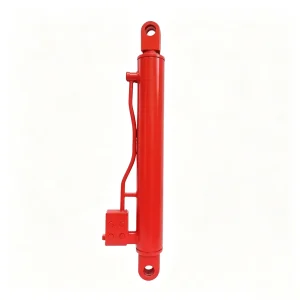
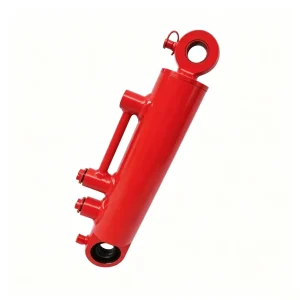
Garbage Truck Hydraulic Cylinder
Top Cover Cylinder — Controlled Lid Actuation for Refuse Body Loading Apertures
Rod: 35 mm
Stroke: 140 mm
Mounting: 405 mm
The top cover cylinder — also called a lid cylinder or hopper cover actuator — controls the opening and closing of the loading aperture cover panel on the top or side of a refuse collection vehicle body. With a 63 mm bore and a 140 mm stroke, this cylinder generates the hydraulic force and travel needed to lift and hold a steel cover panel weighing 40–80 kg against gravity and wind loading while the vehicle is being loaded at a collection or transfer point, then close it securely before road transit to prevent litter scatter and comply with environmental regulations on unsecured waste transport.
Technical Specifications
| Cylinder Type | Top Cover / Lid Actuator (Double-Acting) |
| Bore Diameter | 63 mm |
| Rod Diameter | 35 mm |
| Stroke Length | 140 mm |
| Installation Distance (C-C) | 405 mm |
| Қолданба | Refuse Body Loading Aperture Cover Panel |
Garbage Truck Top Cover Cylinder: How 63 mm Bore and 140 mm Stroke Translate to Controlled Lid Travel and Holding Force
The top cover cylinder on a refuse collection vehicle performs a deceptively demanding function. Opening and closing a heavy steel lid panel sounds straightforward, but the engineering requirements are more nuanced than they first appear. The cylinder must lift the cover against gravity — typically at a pivot point that puts the cover’s center of mass 300–500 mm from the hinge axis, creating a moment load that the cylinder must overcome at the least favorable point in its travel arc. It must hold the cover in the open position stable against wind loading — a 70 km/h side wind on a cover panel of 0.8 m² area generates approximately 700–1,000 N of lateral force that the open cylinder must resist. And it must close the cover firmly enough to compress the perimeter seal and maintain a weatherproof closure during transport and compaction.
A 63 mm bore cylinder at 140 bar system pressure generates approximately 43 kN of push force. For a cover weighing 60 kg on a 400 mm moment arm from the hinge, the peak lifting torque is approximately 235 N·m. With the cylinder positioned at a 300 mm moment arm from the hinge at the start of cover opening, the cylinder force required is about 785 N — well within the 43 kN capacity, which means the actual design constraint is not cylinder force but precise velocity control during the opening and closing cycle. Hydraulic flow control valves in the circuit regulate the speed of lid movement to prevent impact damage to the cover panel and mounting structure at the end of travel. The 140 mm stroke is calibrated to achieve the required cover open angle — typically 90–110 degrees — within the geometric constraints of the cylinder mounting bracket dimensions on the body top rail.
The 405 mm C-C mounting distance determines the cylinder’s geometric contribution to the lid mechanism. A longer mounting distance increases the moment arm available but also increases the cylinder’s swept volume and the space claim in the body top rail region — a zone that is often congested with the hydraulic manifold, wiring harness, and in some designs the automated arm guidance sensors. The 405 mm distance strikes the balance between adequate mechanical advantage and spatial feasibility for body designs across the 6–16 cubic meter body size range.
Hydraulic Lid Cylinder Seal Performance in Outdoor Refuse Vehicle Applications: Temperature, Contamination, and Wash-Down Resistance
The top cover cylinder experiences a specific contamination exposure profile that differs from many other refuse truck cylinder positions. Because it is mounted on the body top rail — often the highest point on the vehicle — it is particularly exposed to direct rainfall and condensation, airborne dust and particulate that accumulates on horizontal surfaces, and bird and animal waste that creates alkaline deposits with mild corrosive action on chrome and paint surfaces. The wash-down cycle that most refuse vehicles undergo daily is also particularly impactful on top-mounted cylinders: high-pressure hot water is directed at the body top surface, driving water under the rod wiper seal if the seal lip condition has degraded.
The rod seal system on this cylinder addresses these exposures through a cascaded seal arrangement. The outer wiper is a wide-lip polyurethane design with an integrated scraper edge that mechanically removes accumulated debris from the rod surface before it reaches the primary rod seal. The primary rod seal is a polyurethane lip seal with a defined sealing lip interference that maintains effective sealing from -30°C cold-morning startup through +80°C summer operating temperatures. Between the wiper and the primary seal, a contamination intercept groove collects any material that passes the wiper, preventing it from reaching the primary seal and being ingested into the hydraulic oil reservoir.
The 35 mm rod is finished to a surface roughness of Ra 0.2–0.4 μm — the standard optimal range for polyurethane rod seals — with 20–25 μm hard chrome plating. Cylinder cap and barrel external surfaces receive a zinc phosphate conversion coat followed by a two-component epoxy primer and polyurethane topcoat, providing a corrosion protection system with a minimum 480-hour salt spray endurance per ISO 9227 panel testing. This coating system is compatible with the alkaline cleaning chemicals commonly used in refuse vehicle wash-down facilities.
Procurement and Service Planning for Garbage Truck Lid Cylinders: Fleet Inventory Strategy and OEM Compatibility
For waste management equipment manufacturers building new vehicle production lines, the top cover cylinder is typically a make-or-buy decision that favors specialized cylinder suppliers over in-house fabrication. The precision honing, chrome plating, and seal assembly operations required for a cylinder meeting OEM performance requirements are capital-intensive processes that specialist cylinder manufacturers can amortize across much higher production volumes. Our production capability supports both prototype quantities for new vehicle development programs and high-volume batch supply for vehicles entering series production.
For aftermarket replacement procurement — the municipal fleet workshop replacing a failed or worn cylinder on an in-service vehicle — the critical documentation package includes a dimensional drawing showing overall collapsed length, extended length, bore diameter, rod diameter, port size and location, and mounting interface dimensions. Our team provides this documentation with every product inquiry, enabling workshop technicians to verify compatibility before ordering and avoid the costly mistake of installing a dimensionally non-compliant replacement that requires hose rerouting or bracket modification.
Seal rebuild kits for this cylinder are available separately, allowing maintenance workshops with cylinder servicing capability to extend cylinder life by replacing the seal package without procuring a complete cylinder assembly. Each seal kit includes the rod wiper, primary rod seal, piston seal, and all static O-rings required for a complete internal rebuild, together with a one-page installation guide covering the torque specifications for the gland retainer and piston lock nut.
Primary Applications
- Rear-load refuse body top-mounted hopper cover panels
- Side-load collection vehicle — loading aperture lid actuator
- Waste transfer station receiving hopper cover control
- Recyclable material collection vehicles — compartment cover cylinders
- Stationary waste compactor feed hopper lid control systems
- Organic waste collection vehicles — sealed container lid actuator
Specify the Top Cover Cylinder for Your Refuse Body Build or Fleet Maintenance Program
Request formal quotations, dimensional drawings, and seal kit part numbers. OEM supply and aftermarket replacement programs both supported with documented quality assurance.