Beschrijving
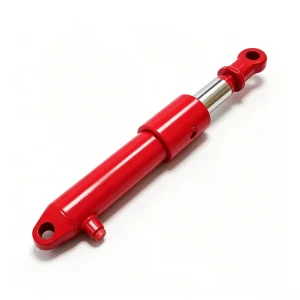
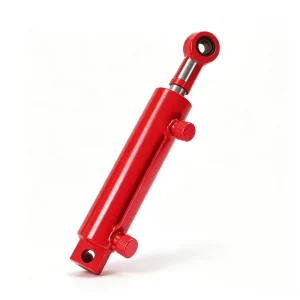
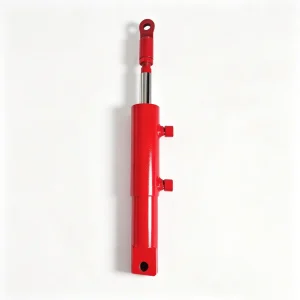
High-Reliability 40mm Bore Baler Hydraulic Cylinder — Standard Tie-Rod Series
Product Overview
When a baler goes down mid-harvest, the losses are not theoretical. An eight-hour equipment failure during peak hay cutting season can mean thousands of dollars in spoiled forage, missed custom baling contracts, and idle labor waiting on a single hydraulic component. The weakest point in most baler hydraulic circuits is rarely the pump or the valve stack — it is the compact actuating cylinder that directly drives the tie-rod, tailgate latch, or pre-compression mechanism. Undersized bore, substandard rod chrome quality, or a seal kit that cannot survive agricultural chemicals and abrasive dust will turn a minor repair into a seasonal crisis.
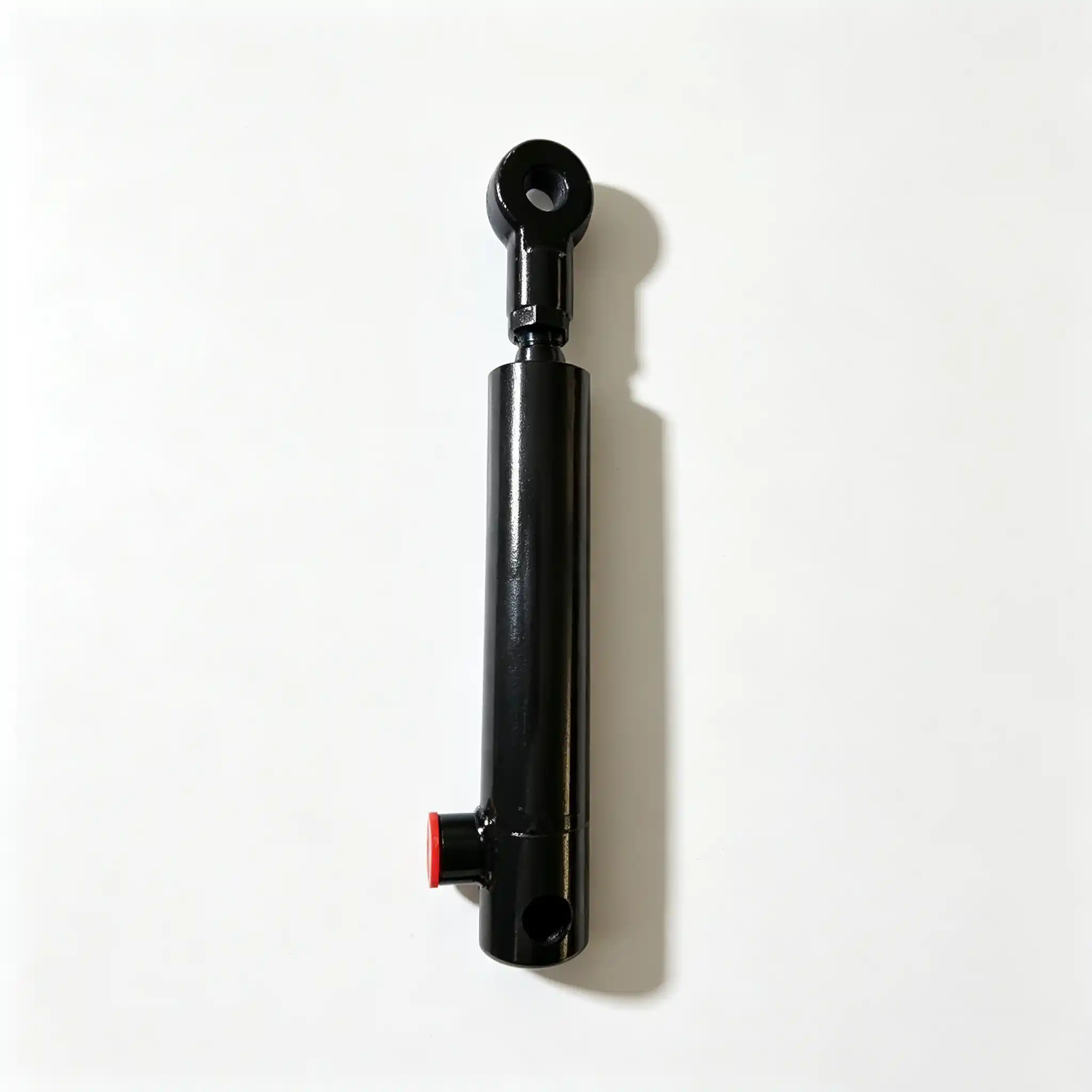
This 40mm bore baler hydraulic cylinder is engineered specifically to address those failure points. With a 25mm chrome-plated piston rod, 140mm of functional stroke, and a 350mm center-to-center mounting distance, it matches the OEM dimensional envelope of the most widely deployed compact actuator positions on round and square balers from major North American and European manufacturers. The geometry is intentional: at 350mm installed length, this cylinder fits standard clevis-to-clevis mounting on baler models where a larger bore would require bracket modification. The 40mm bore delivers adequate push force (see force table below) for pre-compression and auxiliary functions without overloading lighter-duty hydraulic circuits common on tractor-mounted baler configurations.
Technical Specifications
| Parameter | Value | Engineering Significance |
|---|---|---|
| Bore Diameter | 40 mm | Piston area ≈ 12.57 cm²; at 160 bar system pressure, delivers ~20.1 kN push force |
| Rod Diameter | 25 mm | Rod area ≈ 4.91 cm²; pull force at 160 bar ≈ 12.0 kN; slenderness ratio keeps buckling risk below ISO 6020-2 limits at 140mm stroke |
| Stroke | 140 mm | Covers the full actuation arc for pre-compression rollers and minor tie functions without excess dead volume |
| Mounting Distance | 350 mm | Center-to-center (retracted); matches OEM bracket spacing on common baler frame positions |
| Max Working Pressure | 160 bar (standard) / 200 bar (peak) | Tested to 1.5× max working pressure per ISO 10100 |
| Cylinder Type | Double-acting, tie-rod construction | Active control in both extend and retract directions; tie-rod design allows field seal replacement without special tooling |
| Rod Surface Finish | Hard chrome, Ra ≤ 0.4 μm | Minimises wiper seal wear; resists pitting from fertiliser and crop-acid exposure |
| Port Thread | BSP G3/8″ (SAE available on request) | Matches standard tractor SCV hydraulic line fittings |
The 140mm stroke figure deserves specific attention. On a round baler pre-compression circuit, the cylinder must move a roller arm through roughly 130–145mm of linear travel to transition from open-intake to full compression contact. A cylinder with 120mm stroke will bind against its internal stop before the mechanism reaches full pressure, causing premature seal fatigue and incomplete bale formation. The 140mm stroke on this unit provides a 5–10mm buffer at full extension, which allows the connected linkage to seat fully under pressure without end-of-stroke hammering — a common root cause of rod seal failure in undersized replacement cylinders.
The 25mm rod diameter is the correct engineering answer for a 140mm stroke at 160 bar. Euler’s column buckling formula (using a conservative fixed-free end condition for clevis mounting) places the critical load for a 25mm chrome-molybdenum steel rod at approximately 28 kN — well above the 20.1 kN maximum push force this bore can generate at rated pressure. This margin eliminates rod bending as a failure mode, which is the dominant damage mechanism seen in aftermarket cylinders that substitute a 20mm rod to reduce cost.
Engineering & Design Advantages
Seal System: The piston and rod seals are a compound assembly. The primary piston seal is a polyurethane (PU) lip seal operating against a honed 40mm bore finished to Ra ≤ 0.8 μm. Polyurethane retains its elastic memory across a working temperature range of −30°C to +110°C, which matters on cold early-morning starts in northern European and North American climates where NBR-based seals stiffen and allow bypass leakage before reaching operating temperature. The rod seal pack uses a dual-element arrangement: a polyurethane energised lip seal as the primary seal, backed by a PTFE-lined wiper. The wiper’s job is not sealing — it is contamination exclusion. In field conditions, the cylinder rod passes through environments containing chaff, fine soil, herbicide droplets, and silage acids. A PTFE-lined wiper removes this film before it contacts the primary seal, extending seal service life by a verified factor of 2–3× versus a single-element NBR wiper in independent comparative field studies on agricultural cylinder seal systems.
Cushioning: Both end caps incorporate non-adjustable hydraulic cushions. As the piston approaches end of stroke, an internal spear valve progressively restricts return flow, decelerating the piston and absorbing kinetic energy before metal-to-metal contact. For baler applications running at 10–12 strokes per minute on high-density bale programs, the elimination of end-of-stroke impact reduces peak stress on the mounting pin and bracket by an estimated 35–45%, directly extending the service interval of connected structural components.
Corrosion Protection: The cylinder barrel and end caps are finished in a two-stage process: phosphating followed by polyester powder coat to a minimum 80μm dry film thickness. Powder coat was selected over wet paint for its chemical resistance to ammonium nitrate-based fertilisers and the organic acids present in grass silage — two of the most corrosive environments a cylinder body encounters in arable and livestock farming operations. The hard chrome rod surface independently resists chemical attack. Mounting clevises are zinc-plated to ISO 4042, providing ≥240 hours neutral salt spray resistance.
Tie-Rod Construction Logic: This cylinder uses precision-ground steel tie rods threaded into machined end caps rather than a welded shell construction. In a welded cylinder, any seal replacement requires the cylinder to be returned to a workshop with a lathe and seal-press capability. Tie-rod construction allows a trained technician to disassemble, reseal, and reassemble the cylinder in the field using standard hand tools and a seal kit — a critical operational consideration for farms and contractors without on-site machining capability. The tie-rod preload is set at assembly to maintain clamping force through thermal cycling from −30°C to +110°C without bolt relaxation.
Application Specifics
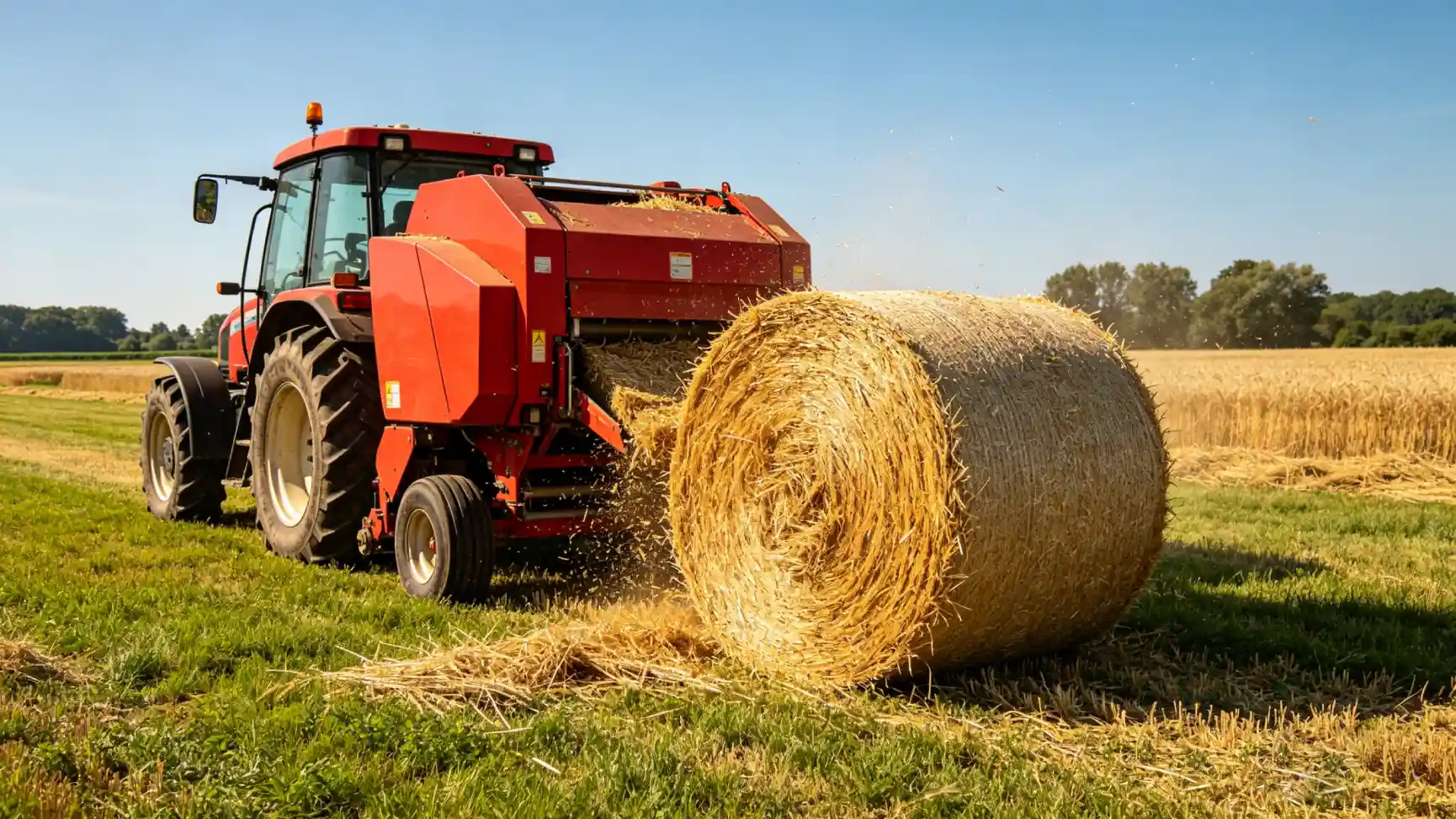
The 40mm bore / 25mm rod / 140mm stroke configuration targets three specific functional positions on agricultural baling equipment:
- Pre-compression roller actuation (round balers): Maintains constant belt tension as bale diameter grows. The 40mm bore provides sufficient force to hold roller contact pressure without excess force that would overload the tension arm pivot bearing.
- Knotter cam actuation (square balers): The 140mm stroke exactly matches the knotter cam travel on several common 14×18-inch and 16×18-inch square baler models. Reliable full-stroke completion is mandatory for consistent knot formation — a 5mm short-stroke due to seal bypass causes knotting failure and bale ejection problems.
- Net wrap guide arm (round balers): Net wrap systems use a small-bore cylinder to position the wrap guide arm across the bale face. The 40mm bore’s moderate force output prevents guide arm over-travel and net wrap tearing under high-tension wrapping programs.
- Auxiliary latch and gate functions: Any secondary latching mechanism with a 300–380mm mounting envelope and moderate force requirement fits this cylinder’s capability envelope.
A practical note for procurement engineers specifying replacement cylinders: always verify both the mounting distance (retracted center-to-center) and the stroke independently. Two cylinders with the same stroke can have different mounting distances if one uses a longer end-cap design. Measuring both dimensions from the original cylinder before ordering eliminates the most common cause of field returns.
Quality Control & Testing
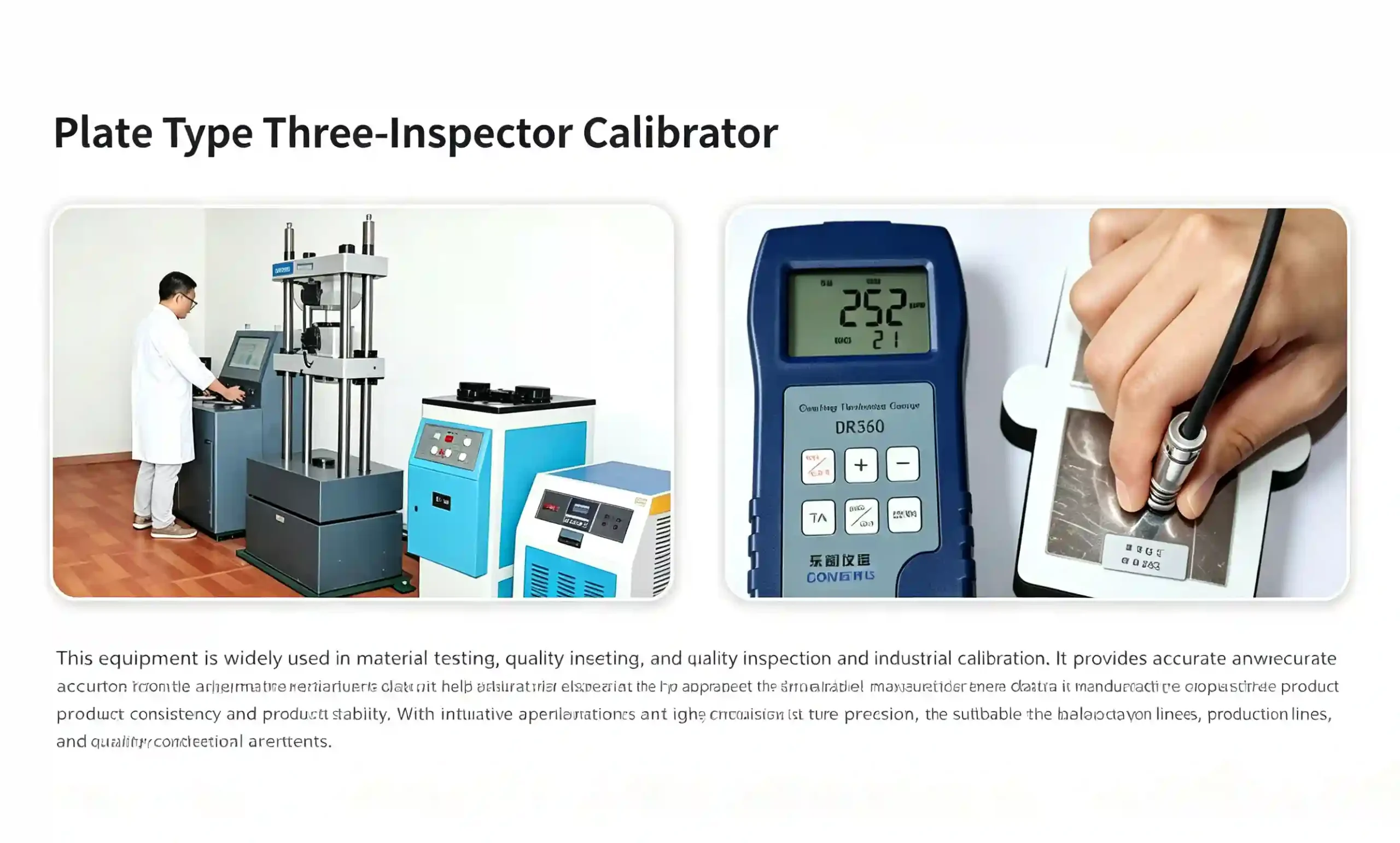
Every cylinder in this series undergoes a 100% individual test protocol before shipment. The sequence follows a three-stage procedure:
- No-load stroke test: The cylinder is cycled 5 times at low pressure (5 bar) to verify full mechanical travel in both directions and confirm that cushioning engages correctly at end of stroke without chatter or oscillation.
- Static pressure hold test: Both chambers are pressurised to 1.5× rated working pressure (240 bar) for a minimum 3-minute hold. Zero measurable drop in pressure gauge reading is required for pass. Any bypass leakage across the piston or external leakage at rod or port connections results in rejection and disassembly for root-cause analysis.
- Dynamic cycle test (sample basis): A minimum 5% sample from each production batch is subjected to 50,000 full-stroke cycles at rated pressure before seal and bore inspection. Cylinders are measured for bore ovality and rod surface finish at 10,000-cycle intervals. Acceptance criterion: bore ovality increase < 0.02mm; rod chrome wear < 0.005mm after 50,000 cycles.
Dimensional inspection uses calibrated CMM (coordinate measuring machine) verification of bore diameter, rod diameter, and mounting distance tolerances. Bore honing finish is laser-profilometer verified to Ra ≤ 0.8 μm before assembly. Inspection records are retained per batch for a minimum of five years and are available to customers on request for quality audit purposes.
Maintenance & Troubleshooting Guide
Correct maintenance practice extends cylinder service life beyond 8–10 seasons in normal agricultural use. The following guidance addresses the most common failure patterns seen in the field:
1. Hydraulic Oil Cleanliness — the Primary Failure Driver
More baler cylinder failures originate from contaminated hydraulic oil than from any mechanical defect. The 40mm bore cylinder’s seal clearances are designed for ISO VG 46 hydraulic oil filtered to ISO 4406 cleanliness class 16/14/11 or cleaner. In practice, tractor hydraulic systems on working farms frequently run at 18/16/13 or worse — a contamination level that reduces seal service life by 60–70% and accelerates bore scoring. Practical mitigation: install a 10-micron return-line filter on the circuit feeding the baler, and replace tractor hydraulic oil and filter at the manufacturer’s specified interval without exception. A sample of hydraulic oil sent for spectroscopic analysis at the start of each season costs less than 5% of a seal kit and will identify silica (dirt), iron (wear particles), or water contamination before it causes a field failure.
2. Rod Seal Inspection — Catch Leaks Early
Rod seal failure progresses in three stages. Stage 1: a thin, oily film on the rod surface visible after several hours of work — this indicates the wiper is passing contamination to the primary seal but the primary seal is still intact. Stage 2: a droplet of oil forms on the rod at end of stroke — the primary seal is bypassing under pressure. Stage 3: continuous oil weeping during operation — the primary seal has failed. A Stage 1 finding requires scheduling a seal replacement within two weeks. A Stage 2 or Stage 3 finding requires immediate cylinder removal to prevent rod chrome pitting from the oil film oxidising between strokes. Attempting to continue operation past Stage 2 typically turns a $35 seal kit repair into a $180 rod re-chrome or full cylinder replacement.
3. Mounting Pin and Clevis Lubrication
The cylinder mounting pins carry the full cylinder load in shear. Unplugged or dry mounting pins wear oval within a single season on high-cycle baler applications, introducing lateral side-load on the rod — a load path the cylinder is not designed to carry. This side-load causes the rod to cut into the rod seal unevenly, producing a leak on one side of the rod face even when the seal itself shows no wear on the opposite side. Grease mounting pins with an EP (extreme pressure) lithium complex grease at the start of the season and every 50 operating hours during the season. If the existing grease nipples are blocked, drill and tap M6 replacements — do not operate without the ability to deliver grease to the pin bore.
4. End-of-Season Storage Procedure
Before storing a baler over winter, retract the cylinder fully. This keeps the maximum rod surface inside the cylinder body and under seal protection rather than exposed to frost, salt air from road grit, and ultraviolet degradation. Apply a film of corrosion-inhibiting grease (Shell Ensis or equivalent) to any rod surface that remains exposed after full retraction — typically 5–10mm of the rod end near the front clevis. Plug hydraulic ports with plastic port caps if the cylinder is removed from the machine. Never store a cylinder with the rod extended — thermal cycling over winter will concentrate atmospheric moisture condensation directly on the exposed chrome, initiating pitting that destroys the seal interface surface.
Veelgestelde vragen
Q: How do I confirm this cylinder is the correct replacement for my baler model before ordering?
Measure the existing cylinder’s bore diameter (internal, with a bore gauge or calipers inside the barrel), the rod diameter, the stroke (full travel from fully retracted to fully extended), and the mounting distance (pin center to pin center with the cylinder retracted). All four values must match. Do not rely on the baler model number alone — manufacturers use the same frame on multiple variants with different cylinder specifications, and some balers have been retrofitted with non-OEM cylinders during previous service. If you share your four measurements with our technical team, we will confirm compatibility or identify the closest available configuration.
Q: Can this double-acting cylinder be used as a single-acting replacement by leaving one port unplugged?
It can be plumbed single-acting, but the unplugged port must be connected to tank (low-pressure return) — it cannot be left open to atmosphere. An open port allows contaminated air and moisture to be drawn past the internal seals during the return stroke, accelerating internal corrosion and seal degradation. If the circuit requires single-acting operation with spring return, specify this at order time and we will configure the piston return spring accordingly. For most baler applications, using both ports in a double-acting circuit improves cycle speed and gives positive control in both directions, which is operationally preferred.
Q: What is the correct procedure for replacing baler hydraulic cylinder seals in the field?
Depressurise the hydraulic circuit fully before any disassembly — operate the baler’s relief valve or release system pressure through the tractor SCV. Remove the cylinder from the machine. Clean the external surface with a lint-free cloth and solvent before opening — contamination introduced during disassembly is a leading cause of premature failure in rebuilt cylinders. Use a tie-rod socket wrench (not an adjustable wrench) to remove the end caps in sequence. Lay all parts on a clean, oil-free surface. Inspect the bore for scoring — any scratch deep enough to catch a fingernail requires professional re-honing before new seals are fitted. Install new seals lubricated with clean hydraulic oil. Reassemble with tie-rod torque to specification (available in the seal kit instruction sheet). Pressure-test at low pressure (5 bar, 5 full strokes) before returning to service. Seal kits for this cylinder are available directly from us, and include all O-rings, lip seals, wipers, and back-up rings.
Q: What hydraulic cylinder specifications are typically used for heavy-duty hay baler applications with higher cycle demands?
For high-density baling programs — typically above 1,000 bales per day for commercial contractors — the 40mm bore series is appropriate for auxiliary and secondary functions. The primary compression and tailgate opening circuits on high-density balers typically require 50mm bore or larger, with correspondingly larger rod diameters to handle the higher force loads without buckling risk. If your application involves sustained high-cycle commercial baling rather than farm-scale seasonal use, review the 50mm bore models in this product range, which offer proportionally higher push and pull force ratings while maintaining the same seal system and corrosion protection standards.
Request a Technical Quotation
Our engineering team responds to technical enquiries within one business day. For volume procurement, OEM supply programmes, or custom-dimensioned cylinders, provide your four key measurements (bore, rod, stroke, mounting distance) and annual quantity estimate. We supply direct to equipment manufacturers, agricultural dealers, and professional baling contractors across North America, Europe, and Australasia.
Website:
ever-powers.com
Email:
[email protected]